Posted on

Best Disc Golf Discs For Windy Days (2025)

Best Disc Golf Discs For Wind No ratings yet.

There’s something both thrilling and frustrating about playing disc golf when the wind picks up—gotta admit, I’ve considered quitting mid-round when my driver was yanked out of bounds or my putter floated left on a headwind. But here’s the thing: with the right discs in your bag, windy rounds don’t have to be torture. In fact, they can be downright fun and rewarding.

Below, I’ve rounded up my favorite discs for battling headwinds and tailwinds. After this read, you’ll know exactly which molds to trust when the wind starts howling.

Why These Picks Work

  • Headwinds? Reach for overstable discs with solid fade to fight roll and turnover.
  • Tailwinds? Understable or neutral discs help you ride the wind instead of fighting it.
  • Adjust your disc speed and release angle based on wind direction—it dramatically changes how discs fly.

Top Discs for Headwinds

Latitude 64 Stiletto

Speed 13 • Glide 3 • Turn 0.5 • Fade 5

StilettoThe beefiest overstable driver Latitude 64 makes—designed to slice through the gnarliest headwinds. Advanced players looking for a raw utility disc will love how it stands up to serious wind.

Innova Firebird

Speed 9 • Glide 3 • Turn 0 • Fade 4

An overstable driver with incredible reliability—this disc won’t turn over in anything short of a hurricane. A popular headwind workhorse across the community. 

Discraft Buzzz OS

Speed 5 • Glide 4 • Turn 0 • Fade 3

Buzzz OSA beefed-up version of the legendary Buzzz midrange. Perfect for windy approaches or sidearm throws—you can count on it to hyzer predictably every time.

Discmania P3x

Speed 3 • Glide 2 • Turn 0 • Fade 3

P3xThis stable putter doubles as a terrific headwind approach disc. Solid feel, reliable hyzer finish, and great forehand utility.

Top Discs for Tailwinds

Innova Daedalus

Speed 13 • Glide 6 • Turn –4 • Fade 2

Need to ride that tailwind and just crush? The Daedalus delivers massive turnover and glide—especially fun for hyzer flips or big turnover drives on open fairways.

Discraft Heat

Speed 9 • Glide 6 • Turn –3 • Fade 1

HeatThis understable fairway driver grabs tailwinds and extends your flight farther than you’d expect. Great for rollers and tight, flowing throws.

Latitude 64 Pearl

Speed 4 • Glide 6 • Turn –4 • Fade 1

PearlA glidey understable midrange that flies straight and long in tailwinds—perfect for newer players figuring out understable control. Great for hyzer flips and gentle turnovers.

Dynamic Discs Gavel

Speed 3 • Glide 5 • Turn –2 • Fade 0.5

GavelAn understable putter with glide to spare—ideal for tailwind putts and approaches that need a gentle carry before dropping in.

Helpful Wind Insights

How Wind Changes Disc Flight

Headwinds make discs act more understable by adding effective speed; tailwinds reduce lift and make them fly more overstable. 

Headwind Tips

  • Use overstable discs with good fade to resist turnover.
  • Choose faster molds for increased momentum against the wind.
  • Release flat or on slight hyzer to keep the wind off the disc’s bottom plate.

Tailwind Tips

  • Go understable or weaker for flip and glide with the wind.
  • Drop disc speed—tailwinds make flight feel slower.
  • Release slightly nose down to avoid early float or flip-outs.

Final Thoughts

Windy days are like a different sport—but also an opportunity to learn and adapt. Put the right discs in your bag and they’ll do half the work for you. Against a howling headwind? Pull out your Firebird or Stiletto. Riding with a tailwind? Let that Pearl or Daedalus spread its wings.

Review This Disc

Posted on

Best Roller Discs (2025)

Best Roller Discs 2025 No ratings yet.

Adding a roller to your disc golf game can open up new shot shapes and help you navigate tricky course conditions. Whether you’re dealing with a low ceiling, tight fairway, or just want to squeeze out some extra distance, a roller shot is a reliable tool when thrown with the right disc.

In this guide, I’ll walk you through what makes a good roller disc, when to use one, and share my top picks for 2025. Each disc listed is a solid option for players looking to develop their roller game—especially if you’re learning how to control understable drivers.

What Makes a Good Roller Disc?

When throwing a roller, you want a disc that’s both fast and understable. That combination helps the disc turn over quickly and hit the ground at the right angle to start rolling. Look for:

  • High turn rating (e.g., -3 or lower)
  • Moderate to high speed (7–9)
  • Neutral to minimal fade

Lightweight versions of these discs can also help with getting a quick flip and smoother roll, especially if you have a slower arm speed.

Best Situations for Throwing a Roller

There are a few ideal conditions where a roller can outperform an air shot:

  • Low ceilings – When branches prevent a full flight path
  • Need for extra distance – Especially on dry, hard-packed fairways
  • Tight gaps – When you can’t comfortably swing wide left or right

However, rollers don’t work well in rough terrain. If the ground is rocky, root-filled, or uneven, consider another shot.

Top Roller Discs in 2025

Innova Roadrunner – Speed: 9 | Glide: 5 | Turn: -4 | Fade: 1

RoadrunnerThe Innova Roadrunner has long been a favorite for rollers. It flips quickly, hits the ground clean, and keeps rolling. It’s also a go-to choice for hyzer flips and turnover shots, making it versatile even beyond roller duty.

Dynamic Discs Witness – Speed: 8 | Glide: 6 | Turn: -3 | Fade: 1

WitnessIf you’re looking for a control driver with a lot of glide and turn, the Witness delivers. It’s especially beginner-friendly and doubles as a great option for anhyzers and hyzer flips. As a roller disc, it gets on edge easily and holds a clean line.

Infinite Discs Sphinx – Speed: 9 | Glide: 6 | Turn: -3 | Fade: 1

The Sphinx is one of the most popular understable drivers in Infinite’s lineup. It’s an excellent roller disc for intermediate players, offering consistent turnover and easy distance on flat or slightly downhill shots.

Latitude 64 Diamond – Speed: 8 | Glide: 6 | Turn: -3 | Fade: 1

DiamondThe Diamond is a standout lightweight option, great for players with slower arm speeds. It excels at rollers right out of the box, and it also performs well for hyzer flips and controlled anhyzers.

Prodigy F7 – Speed: 7 | Glide: 5 | Turn: -3 | Fade: 1

F7The F7 is an excellent Prodigy fairway driver with plenty of turn and glide. It’s a dependable choice for rollers, especially on wooded courses where placement matters. Newer players will also find it easy to control.

Westside Underworld – Speed: 7 | Glide: 6 | Turn: -3 | Fade: 1

UnderworldWith its comfortable rim and flippy flight, the Underworld is a fan favorite for rollers, especially for those newer to the game. It flips up easily and stays down for long rolls, even on lower-power throws.
How to Throw a Roller

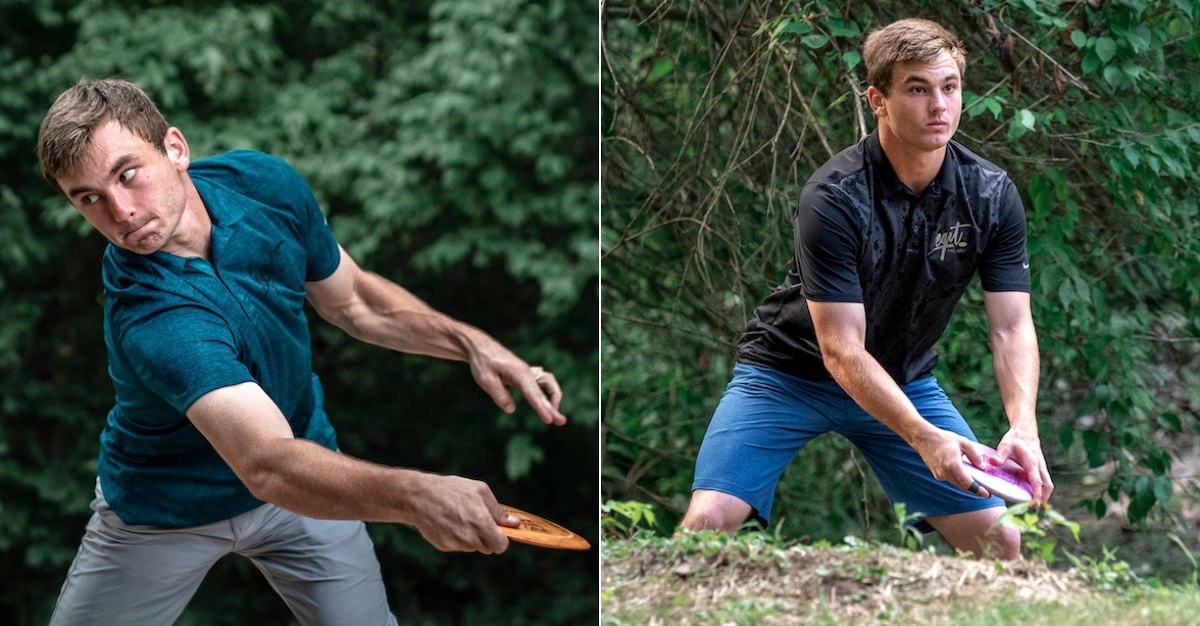
To throw a backhand roller (for a right-handed player), release the disc on an anhyzer angle with enough speed to get it to turn and hit the ground edge-first. Once it lands, the disc should continue to roll forward, eventually curling off to the right as it slows.

Forehand rollers work similarly, but require a different angle and typically roll in the opposite direction. Learning both can give you more flexibility on the course.

Final Thoughts

Roller shots take practice, but with the right disc and timing, they can be game-changers—especially on courses with tight gaps or low ceilings. Whether you’re looking to try rollers for the first time or want to fine-tune your selection, the discs above are proven options worth adding to your bag.

Review This Disc

Posted on

9 Disc Golf Practice Drills To Improve Your Putting

disc golf practice drills No ratings yet.

If you want to lower your scores in disc golf, there’s one skill that gives the biggest return on your practice time: putting. Strong putting saves strokes and builds confidence on the course.

The good news is that putting practice doesn’t require much space. With a few putters and a disc golf basket, you can work on your game in the backyard, garage, or even indoors. Here are nine proven practice drills to sharpen your putting.

Disc Golf Putting: Common Issues & How To Improve | Release Point - The UDisc Blog

1. Overload Drill

Start at a comfortable distance and putt twice. If you make both, step back and throw four putts. Keep stepping back and increasing the number of putts by two. If you miss, step forward one spot but still increase the number of putts.

Variation: Change the increase to one or three putts at each spot, or allow yourself to move back after making most of your putts instead of all.

2. Five’s Drill

Putt five times from one distance. If you make all five, step back. If you miss, step forward. Repeat from each new position.

Variation: Adjust the number of putts per position, anywhere from two to twenty. Five or ten is a good balance.

3. 50/50 Drill

Putt twice from your starting distance. If you make at least one, step back. If you miss both, stay put and repeat.

Variation: Try four or six putts at each distance, only moving back if you make half or more.

4. The Line Drill

Putt once from a starting point. If you make it, step back. If you miss, step forward.

Variation: Move back two steps instead of one, or stay in place until you hit the putt before moving forward.

5. Pure Random Drill

Pick a random spot around the basket and putt twice. If you make at least one, move to another random location.

Variation: Change your putting style at each location—spin, push, straddle, turbo, or whatever you want to practice.

6. Around the World Drill

Putt once, then step to the side and slightly back. Keep circling the basket in this pattern. If you miss, stay put until you make it.

Variation: Putt twice at each position. If you make both, step back and to the side. If you miss one, only move sideways. Miss both and move forward one step.

7. Push Your Luck Drill

Putt once from your starting spot. If you make it, step back. Keep moving back until you miss, then return to your starting distance.

Variation: Try two putts per spot, only moving back if you make both. If you miss any, restart.

8. Putt Horse Drill

Play a disc golf version of basketball’s HORSE. One player picks a spot and putts. If they make it, everyone else has to putt from the same spot. Miss and you get a letter. Spell out “HORSE” to be eliminated.

Variation: Use a shorter word like “PIG” for a quick game, or a longer word like “ELEPHANT” for a challenge. Add rules where everyone must use the same putting style.

9. The Obstacle Drill

Putt from behind an obstacle like a tree or bush. If you make at least one of your two putts, move farther from the obstacle and try again. If you miss both, stay at the same spot until you make one.

Variation: Practice two different shot angles from behind the obstacle, like straddling left and then right.

Final Thoughts

Practicing these drills regularly will build muscle memory, accuracy, and confidence inside the circle. If you don’t already have a basket, you can check out our practice basket selection. A reliable set of putters also makes a big difference—having multiples of the same mold lets you get more reps without chasing discs.

Whether you practice in your yard or living room, focused putting drills will translate directly to lower scores on the course.

Review This Disc

Posted on

Can You Play Disc Golf With a Regular Frisbee?

can you play disc golf with a regular frisbee No ratings yet.

Almost everyone has tossed a frisbee at some point. They’re a backyard staple, easy to throw, and often found tucked away in a closet or garage. But what happens if you bring that same frisbee to a disc golf course? Can you actually play disc golf with it? The short answer is yes — but it comes with some tradeoffs.

Frisbees vs. Disc Golf Discs

While a frisbee is technically a “disc,” it’s not designed with disc golf in mind. Modern disc golf discs are built to fly faster, farther, and more accurately than a standard catch frisbee. Here’s a breakdown of the main differences:

Shape

  • Frisbees: Rounded edges with a deep rim, making them floaty and easy to catch.
  • Disc Golf Discs: Sharper, more aerodynamic rims that cut through the air for distance and control.

Size

  • Frisbees: Larger diameter, thinner plastic, and lightweight feel.
  • Disc Golf Discs: Smaller, compact, and heavier — designed for precision throws.

Speed & Flight

Why Play Disc Golf With a Frisbee?

Even with those disadvantages, there are a few good reasons you might try a frisbee round:

Testing the Game

If you’re brand new to disc golf and don’t want to buy discs yet, a frisbee can be a fun way to sample the game. Once you’re ready, a budget-friendly starter set will make a huge difference in your experience.

Adding a Challenge

Playing with a frisbee limits your distance and accuracy, which makes the course harder. Some players do this intentionally as a fun challenge or training tool.

Going Old-School

Disc golf actually began with frisbees before specialized molds were introduced. Using one today is a throwback to the sport’s roots.

Tips for Playing Disc Golf With a Frisbee

If you’re going to give it a shot, here are a few tips to make your round smoother:

  • Don’t worry about others: Most players won’t care what you’re throwing.
  • Throw with less power: Frisbees can’t handle the same speed as golf discs and will turn over if thrown too hard.
  • Plan for extra glide: Frisbees float more, which can send them sailing past your target.
  • Expect less accuracy: Unlike stable disc golf molds, a frisbee tends to wobble and drift.
  • Mind the wind: Frisbees get pushed around easily. Keep your throws lower and flatter.
  • Use hyzer: Releasing on a hyzer angle often produces the straightest flight with a frisbee.

Final Thoughts

Yes, you can play disc golf with a regular frisbee. It won’t replace a true disc golf disc, but it’s a fun way to try the game, mix up a casual round, or appreciate the sport’s origins. If you enjoy it and want to take the next step, upgrading to a set of disc golf starter discs will quickly improve your distance, control, and overall experience on the course.

Review This Disc

Posted on

Best Disc Golf Drivers For Beginners

best disc golf drivers for beginners No ratings yet.

Just getting into disc golf and wondering which driver to throw? I’ve been there. Picking the wrong disc early on can be frustrating—but when you grab something designed for beginners, it makes a big difference right away.

I’ve tested a bunch of discs, talked with other players, and paid attention to what beginners actually enjoy throwing. Below are my top picks for the best beginner-friendly drivers in disc golf.

Top Beginner Disc Golf Drivers

These discs all share a few key traits: they’re understable, have plenty of glide, and don’t require a fast arm to fly well. That’s exactly what you want when you’re learning the game.

Innova Leopard – 6 / 5 / -2 / 1

LeopardThe Leopard is one of the most recommended starter discs out there, and for good reason. It’s easy to throw straight, doesn’t fade too hard, and glides like crazy. You’ll find it in many starter sets—but it’s not just for beginners. I still use it for turnovers and finesse shots. Solid pick for any new player.

Discraft Heat – 9 / 6 / -3 / 1

HeatThe Heat brings more speed than the Leopard but still flips up nice and easy. It’s super glidey and perfect if you’re trying to stretch out your drives without needing a huge arm. Just be sure to grab it in a lighter weight for easier control.

Dynamic Discs Witness – 8 / 6 / -3 / 1

WitnessThis one’s sneaky good. The Witness is another great fairway driver with a ton of turn and not much fade. Great for hyzer flips, easy distance, and staying in the fairway. If you like the feel of Dynamic Discs plastics, this is a top-tier beginner choice.

Latitude 64 Maul – 7 / 7 / -2 / 1

MaulThe Maul is one of the glide-iest discs on this list. That makes it super forgiving and great for long, straight shots—especially in the woods. It flips up reliably, holds a line, and doesn’t bite at the end. Great first driver if you want to feel like you’re getting some distance right away.

Prodigy F7 – 7 / 5 / -3 / 1

F7Prodigy nailed it with the F7. It’s very understable and floats forever if you put a clean release on it. New players can get great distance with very little effort. You’ll want to keep it in the bag even as you improve for rollers or hyzer flips.

MVP Relay – 6 / 5 / -3 / 1

RelayThe Relay is MVP’s beginner-friendly fairway driver, and it does its job well. It flips up, holds a straight flight, and finishes soft. If you like the feel of GYRO tech and a smaller rim, this one is easy to grip and easy to love.

My Assumptions When Choosing These Discs

Here’s how I approached this list:

  • Assumed beginner players throw primarily backhand
  • Assumed slower arm speeds (which is normal at first!)
  • Assumed players are looking for max distance with less effort

If you’ve got a strong sports background or already have great arm speed, you might be able to handle more stable discs—but most new players will benefit from these picks.

What Makes a Driver Beginner-Friendly?

There are two big things I look for:

  • Understable flight: Look for a turn rating of -2 or more. These discs “flip up” more easily and don’t fight your throw.
  • High glide: More glide means more air time and more distance, even with slower throws.

Pair that with a slower speed rating (6–9), and you’ve got a disc that’s easier to control and fun to throw.

Best Disc Weight for Beginners

If you’re just starting out, I recommend staying under 165g—especially for younger players or anyone without much throwing experience. Lighter discs are easier to get up to speed and go farther for most new players.

Once you build up form and arm speed, you can experiment with heavier discs. But when in doubt, go lighter to start. Even seasoned players keep a few lightweight discs in the bag for finesse shots.

What Happens As You Improve?

As your technique and strength improve, these beginner discs may start to flip too much or turn into unintended rollers. That’s normal. But don’t ditch them—they still have a role:

  • Hyzer flips
  • Turnovers and finesse shots
  • Rollers

Eventually you’ll start adding more stable discs, but these beginner drivers will still earn their spot in your lineup.

Final Thoughts

If you’re just getting started in disc golf, give yourself the best chance to enjoy the game—use discs that help, not hurt. I’ve seen a lot of beginners struggle with overstable, max-weight drivers that they bought without knowing better. Don’t fall into that trap.

Stick with understable, glidey fairway drivers in lighter weights. That combo is your best friend for learning clean form and getting easy distance. Grab one or two from the list above, hit your local course, and start slinging!

Review This Disc

Posted on

Quick Guide : The Flex Shot

flex shot guide No ratings yet.

If you’re an intermediate or advanced disc golfer looking to expand your shot selection, learning the flex shot can make a big difference. It’s a versatile throw that helps with shaping lines and even adding distance when executed correctly. Beginners may want to wait before focusing on this shot, but it’s still useful to understand how it works.

What Is a Flex Shot?

The disc golf flex shot is thrown by releasing an overstable disc on an anhyzer angle. The disc turns out of your hand, then “flexes” back as its stability kicks in. For a right-handed backhand thrower, the disc will first drift right before working back left.

Some players call this the “anhyzer flex shot,” but most simply use “flex shot.”

How to Throw It

  • Choose an overstable driver or fairway.
  • Release on an anhyzer angle so the disc turns out of your hand before fighting back.
  • Keep the nose down to prevent stalling or early drops.
  • Adjust the height—higher throws allow more distance and fade, while lower throws give tighter lines.
  • Trust the disc’s stability to bring it back.

Tips for a Successful Flex Shot

  • Pick a disc with medium to high fade for a stronger finish. For example, the Infinite Discs Emperor or Innova Destroyer are common flex shot choices.
  • Generate plenty of snap and power so the disc carries before fading back.
  • Avoid too much anhyzer, which can cause cut rolls.
  • Devote field practice sessions specifically to dialing in this throw.

When to Use the Flex Shot

Shot Shaping

The flex shot is perfect when you need to bend around multiple obstacles—turning one way early, then fading back. Players who often face wooded fairways will benefit from having this shot in the bag.

Extra Distance

Adding a slight anhyzer release to an overstable driver can keep it in the air longer than a flat release. This gives you added carry before the disc’s fade brings it back.

Flex Shot vs. S-Shot

Many players confuse the flex shot with the S-shot, but there’s an important difference:

  • Flex Shot: Overstable disc released on an anhyzer angle. More advanced, consistent, and reliable once mastered.
  • S-Shot: Understable disc released flat. Easier for beginners, a simple way to add distance, but less predictable.

The two shots often look the same from above, both carving an “S” shape in the air, but the mechanics and discs used are different.

Final Thoughts

The flex shot isn’t the easiest throw to learn, but it’s worth the effort if you want to expand your game. It helps in wooded courses, provides new shot shapes, and can even add distance to your drives. Take the time to practice, and you’ll soon find yourself reaching for it with confidence.

Looking for discs to start practicing flex shots? Check out our selection of distance drivers and fairway drivers that can handle the stability required for this shot.

Review This Disc

Posted on

How To Become A Professional Disc Golfer

how to become a professional disc golfer No ratings yet.

Every disc golfer has probably dreamed—at least once—of going pro. Turning a passion into a profession is exciting, but it takes more than just talent and love for the game. If you’re serious about joining the ranks of sponsored touring pros, here are some practical, honest tips to help you move in that direction.

Practice Like a Professional

Free Disc Golf Frisbee Golf photo and picture

The biggest difference between casual and professional players? Intentional practice.

Playing rounds with your friends is fun—and yes, it helps—but it’s not the same as targeted training. To truly elevate your game, focus your efforts on individual skill areas:

  • Putting: Build a repeatable routine and practice from inside and outside the circle.
  • Driving: Work on accuracy, distance, and angle control—especially on different release angles like hyzer, anhyzer, and flat.
  • Scrambling: Set up awkward lies and learn how to save par under pressure.
  • Approach shots: Practice controlled upshots with your favorite approach discs.

A dedicated practice routine is essential. Track your progress and push for small improvements each week.

Train Like an Athlete

Disc golf at the professional level is physically demanding. Courses are long. Rounds can stretch over multiple days. Elevation, wind, and weather all play a role. That’s why building a strength and conditioning routine matters.

You don’t need to become a bodybuilder. Focus on:

  • Core strength for balance and rotational power.
  • Mobility and flexibility for smoother form and reduced injury risk.
  • Cardio and stamina for long rounds and multi-day tournaments.

Pro tip: Avery Jenkins has a solid training breakdown that covers disc golf-specific exercises.

Know the PDGA Rules—Inside and Out

Playing well is important. But knowing the rules is just as critical—especially in tournament settings.

Here’s why:

  • Understanding the PDGA rulebook helps you avoid unnecessary penalty strokes (e.g., foot faults, time violations, miscalculated scorecards).
  • Knowing the rules allows you to advocate for yourself and others on the card when infractions occur.

If you’re trying to make the jump to pro, be a student of the game. Read the rulebook and keep up with annual rule changes.

Find a Coach or Mentor

You can only get so far by analyzing your own form. A good coach—or even just a higher-rated local player—can identify weaknesses in your game that you may not notice.

Consider:

  • Attending a clinic taught by a sponsored pro
  • Asking an experienced local player to watch your form or film a round
  • Finding a certified disc golf coach (some offer online lessons too)

Even one coaching session can save you months of trial and error.

Start Playing Tournaments—Then Hit the Road

If you’re not playing in tournaments yet, now’s the time. Search for local C-Tiers on DiscGolfScene.com and get started.

Once you’re comfortable competing, consider traveling to A-Tiers, PDGA Silver events, or even Pro Tour Qualifiers. Going on tour without a sponsor can be intimidating—but it’s how many current touring pros got started.

Tournament play will:

  • Expose you to tougher courses and stronger competition
  • Help you build your PDGA rating and tournament resume
  • Put you on the radar for sponsors, media, and other players

Even if you don’t win right away, the experience and exposure are invaluable.

Market Yourself

Playing well is key—but being marketable can open doors faster. Disc manufacturers and brands want players who not only perform, but also promote their gear and represent the sport professionally.

Here are a few ways to build your brand:

  • Create a YouTube channel documenting your tournament rounds or practice sessions
  • Start a disc golf Instagram or TikTok focused on tips, reviews, or vlogs
  • Collaborate with smaller brands to build experience with partnerships

Brands like Discraft, Innova, and Doomsday Discs often look for more than just PDGA ratings—they want players who help grow their visibility.

Final Thoughts

Going pro in disc golf takes time, discipline, and a real love for the grind. Every touring player started as a beginner. What separates those who make it from those who don’t is consistent effort and smart preparation.

If you build the right routines, play the right events, and promote yourself professionally, you’ll put yourself in a great position to take that next step.

Review This Disc

Posted on

Best Hyzer Flip Discs

best hyzer flip discs No ratings yet.

If you’ve ever thrown a disc on hyzer and watched it flip to flat and ride straight down a tunnel, you already know—the hyzer flip is magic. It’s one of my favorite shots in disc golf, and if you pair the right technique with the right disc, it can absolutely change your game.

So let’s talk about the best discs for hyzer flips. I’ve thrown all of these and picked out the ones that flip up reliably, stay controllable, and feel good in the hand. If you’re looking to add a go-to hyzer flip disc to your bag, this list is a great place to start.

Best Discs for Hyzer Flips

These are some of the most consistent and beginner-friendly discs for learning or mastering the hyzer flip:

Innova Leopard – 6 / 5 / -2 / 1

LeopardThe Leopard is a classic—and for good reason. It’s easy to throw, has a ton of glide, and flips up beautifully on a smooth hyzer release. It’s great for newer players learning angle control and just as useful for veterans needing a reliable turnover or flip-up tunnel shot.

Discmania FD – 7 / 6 / -1 / 1

FDThe FD is a sneaky good hyzer flip disc. It’s not super flippy out of the box, but once it beats in a little, it becomes a laser beam. You’ll get subtle turn and a clean, straight finish—especially in S-Line or C-Line plastic.

Dynamic Discs Maverick – 7 / 4 / -1.5 / 2

MaverickThis one’s in my bag right now. The Maverick has enough turn to flip but still enough stability to handle some power. It’s perfect for controlled drives through the woods or low-ceiling fairway shots. Bonus points for great hand feel in Lucid plastic.

Prodigy F5 – 7 / 5 / -2 / 1

F5If you haven’t tried the F5, you’re missing out. This disc is sneaky glidey, super workable, and flips up even with moderate arm speed. Great for tailwinds, long turnover lines, or just carving woods shots on command.

Latitude 64 Maul – 7 / 7 / -2 / 1

MaulThe Maul might have the most glide of any disc on this list. It flips with ease and floats for days. If you like shaping long, slow turnover lines or need something super straight in the woods, the Maul is a top-tier choice—especially in Gold Line plastic.

MVP Signal – 6 / 5 / -2 / 1

SignalThe Signal lives up to its name—it’s loud and clear that this disc wants to turn. I use it for hyzer flips, standstill backhands, and even slow rollers. It’s one of the easiest discs to flip in the MVP lineup, and if you throw with finesse, it’ll reward you with pinpoint control.
What Is a Hyzer Flip?

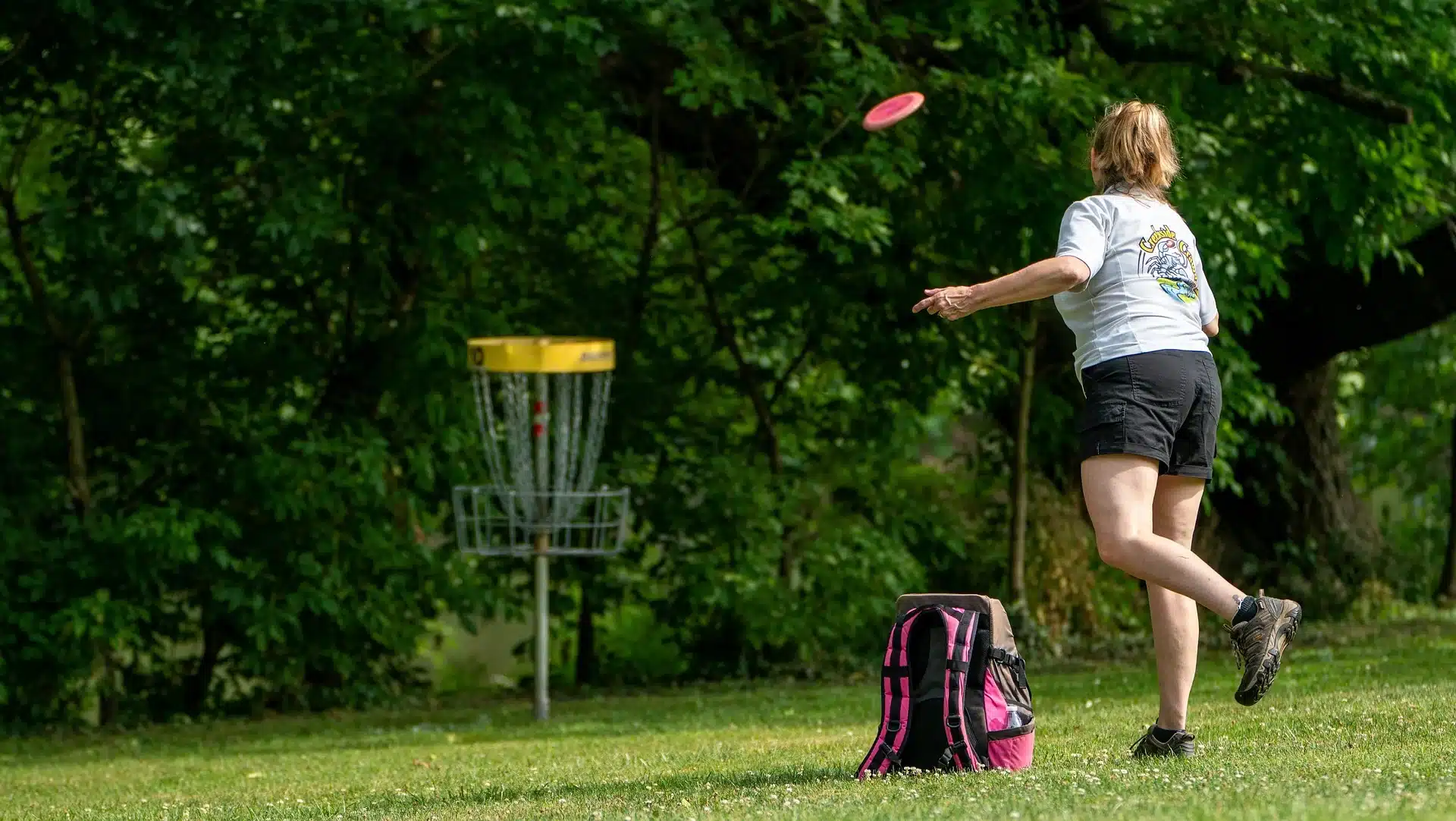
A hyzer flip happens when you throw an understable disc on a hyzer angle (angled down to the left for a right-hand backhand throw). The disc “flips” up to flat in the air and glides straight down the fairway.

It’s an incredibly useful shot when you want straight distance, control in the woods, or long turnovers without needing a sidearm.

What Makes a Disc Good for Hyzer Flips?

There are two things you want to look for when choosing a hyzer flip disc:

  • High turn (negative number): Look for discs with a turn rating of -1 or lower. That means the disc will naturally drift right (RHBH) when thrown flat—or flip up when thrown on hyzer.
  • Low fade: A fade rating of 2 or less keeps the disc from dumping too hard at the end, helping you stay on that straight line longer.

Most players prefer a fairway driver for hyzer flips (speed 6–9), but some midrange discs and even putters can work if they’re understable enough.

When to Throw a Hyzer Flip

The hyzer flip is clutch in several situations:

  • Tight wooded fairways where you need a disc to push straight without fading out
  • Tunnel shots with low ceilings or narrow gaps
  • Tailwind drives that need extra glide
  • Controlled turnovers without committing to a full anhyzer

Just remember: give the disc enough room to flip to flat before it hits an obstacle. If you’re throwing a 250-foot tunnel shot, make sure your disc flips up in time to ride that gap straight.

Final Thoughts

Hyzer flips are one of those skills that can really set your game apart—and having the right disc makes it easier to learn. If you’re just getting into it, start with something like the Leopard or Maverick. If you’ve already got a beat-in flippy fairway in your bag, give it some reps and dial in the angle.

And hey—if none of the discs I mentioned are quite your style, just follow the formula: understable, low fade, and comfortable in the hand. Once you get the feel, hyzer flips will become one of your favorite shots too.

Review This Disc

Posted on

Disc Golf Putting Styles: Spin, Push, and More

disc golf putting No ratings yet.

Putting is one of the most important skills in disc golf — and often one of the most overlooked. While the target is close, there’s a lot more going on than it might seem. Wind, elevation, nerves, and your stance can all affect the result. The good news? There’s no single “correct” way to putt.

Whether you’re a new player looking for your first go-to putting style or a seasoned player wanting to add new tools for specific situations, this guide covers the most common disc golf putting styles — and when to use them.

Major Putting Styles in Disc Golf

There are two main styles most disc golfers use: the spin putt and the push putt. Many players fall into one camp or the other, but some blend the two into a hybrid style.

Spin Putt

The spin putt is like a mini throw — you apply wrist spin just like you would on a drive. The disc leaves your hand with speed and flies in a more direct, flat line to the basket.

Benefits:

  • More resistance to wind
  • Highly repeatable motion from 10 to 30+ feet
  • Good for beginners due to consistent mechanics

Drawbacks:

  • Faster putts can cause more spit-outs
  • Misses often carry farther past the basket

Push Putt

Push putting is more of a toss than a throw. It uses a slower, arcing flight path — think of it like shooting a free throw in basketball. The disc tends to float with less spin and more loft.

Benefits:

  • Highly accurate inside the circle
  • Similar motion to everyday tossing tasks
  • Soft landings on misses

Drawbacks:

  • More affected by wind
  • Requires more adjustment for different distances
  • Less effective outside of circle 1

Hybrid Putt (Spush)

Many players find a middle ground between spin and push putting — often called a “spush” putt. You’ll see a bent-waist stance like a push putt, but with added wrist spin for stability and glide. This hybrid approach can give you the best of both worlds.

Alternative Putting Styles

While spin and push putts are the most common, there are other styles that come in handy — especially when you’re stuck in tricky situations or putting from long distance.

Turbo Putt

The turbo putt is a specialty throw where the disc rests on your thumb with your fingers wrapped around the rim. You throw it overhead, like a football or baseball.

Why use it:

  • Great for getting over bushes or obstacles
  • Releases from a higher point

Keep in mind:

  • Harder to control, especially at distance
  • Not ideal as your main putting style

Jump Putt

Have You Ever Wanted To Learn To Jump Putt? – Sabattus Disc Golf, Inc.

The jump putt adds a forward jump to your putting motion to gain extra power. It’s only legal when you’re more than 10 meters (about 33 feet) from the basket.

Why use it:

  • Increases putting range
  • Gives your normal putt extra reach

Rules to remember:

  • You must release the disc before your plant foot leaves the ground
  • Using it inside 10 meters is a foot fault

Putting Stances: Straddle vs. Staggered

Besides the type of putt you use, your stance can also impact your accuracy and comfort on the green. There are two common setups:

Straddle Stance

Your feet are set shoulder-width apart, with equal weight on both. You draw the disc back between your legs and release it straight forward.

When to use it:

  • Helps get around trees or obstacles
  • Keeps your body centered and balanced

Staggered Stance

This is more like a traditional throw stance. Your feet are offset, one behind the other. You rock your weight from back to front as you release the disc.

Benefits:

  • Gives a natural forward motion
  • Helps generate power and maintain a clean line

Final Thoughts

One of the great things about disc golf is the freedom to find a style that works for you. There’s no single “correct” way to putt — just what works best for your form and confidence. If you’re just getting started, try out a few of the main putting styles and see what feels natural. And if you’ve been playing for a while, it’s worth practicing some alternative styles to add versatility when your usual putt won’t cut it.

Looking to upgrade your putters? Check out our full selection of putters.

Review This Disc

Posted on

Best Permanent Disc Golf Baskets (2025 Update)

best permanent disc golf baskets No ratings yet.

If you’re tired of lugging around a portable basket or dreaming of stepping outside and practicing putts without leaving your yard — this one’s for you. I’ve rounded up the best permanent disc golf baskets you can install at home for a course-quality experience.

These are the targets I’d recommend to anyone looking to upgrade their setup — whether you’re building a private course or just want a basket that won’t tip over in the wind.

Let’s check out the best permanent disc golf baskets you can buy right now:

Prodigy T2 Permanent Basket

Prodigy T2 Professional Disc Golf Target (PermaneIn my opinion, the Prodigy T2 is the best all-around value when it comes to a permanent disc golf target. It’s built to handle serious play and has some of the best catching performance out there.

  • Chain setup: 16 outer chains + 8 inner cross-linked chains
  • PDGA rating: Approved for Championship level play
  • Weight: 58 lbs
  • Other features: Weather-resistant powder coat, optional wheeled base for portable use

It’s available in several colors, and the way it eats putts is just satisfying. If you’re building a home course or want that pro-level feel in your backyard, this is my go-to pick.

Doomsday Discs Bunker Basket

The Doomsday Discs Bunker Basket is made for players who want pro-level performance without paying end-of-the-world prices. It’s tournament-ready, backyard-friendly, and built tough enough to survive anything — from daily putting sessions to doomsday itself. You’ll get durability, great visibility, and dead-on catching power all in one solid target.

  • Chain setup: 3 rows of 12 chains (36 total)
  • PDGA rating: Championship level play
  • Included: basket with portable base, basket with permanent pole and ground sleeve, extra ground sleeve

Whether you’re gearing up for league night or stockpiling for the apocalypse, the Doomsday Discs Bunker Basket is ready to take it on. Drop one in your yard, bunker, or secret practice spot and turn your putting routine into survival training.

Dynamic Discs Patriot Basket

DD Patriot

Looking for a budget-friendly permanent basket? The DD Patriot is a solid option. It’s ideal for parks, rec departments, or home setups where cost is a concern — but you still want a legit target.

  • Chain setup: 26 chains (13 inner / 13 outer)
  • Paint: White top and base with clear branding
  • PDGA rating: Championship level play
  • Extras: Ground sleeve, locking collar, and padlock included

It’s very similar in design to the Latitude 64 ProBasket, likely made in the same factory. Visibility is great and it installs easily — perfect for tight budgets.

Innova DisCatcher Permanent

If you’ve played a public course, there’s a good chance it had an Innova DisCatcher. It’s one of the most used baskets in the world — and for good reason.

  • Chain setup: 24 heavy-duty galvanized chains
  • PDGA rating: Championship level play
  • Weight: 80 lbs
  • Features: Yellow deflector band, lockable sleeve for alternate pin placements

This one is a beast. Great for spin putters, with minimal bounce-outs. It’s more expensive and heavier, but if you’re going all-in on quality, it’s hard to beat.

Why Choose a Permanent Basket?

Most people go with portable baskets because they’re cheaper, easier to move, and don’t require installation. So why spend more on a permanent basket?

  • Durability: Permanent baskets are built to last — like, really last.
  • Practice-ready: No need to haul anything around. Just walk outside and start putting.
  • Course feel: These baskets catch like the real thing. You’ll notice the difference.

If you’re serious about your short game and want a target that will hold up for years, the upgrade is absolutely worth it.

How to Install a Permanent Disc Golf Basket

Don’t worry — it’s not as hard as it sounds. Most baskets come with sleeves and instructions, but here’s the general idea:

  1. Dig a hole about 2 feet deep and 12–16 inches wide
  2. Set the sleeve and center it
  3. Pour concrete and let it cure
  4. Drop the basket pole in the sleeve and lock it in place

If you’re more of a visual learner, this video walks through the whole process. It’s totally doable in a weekend.

Final Thoughts

If you’re ready to upgrade your backyard setup or build out your own private course, these permanent disc golf baskets are the best you’ll find. Whether you want max durability, top-tier catching, or something affordable but reliable — there’s an option here that fits.

Once it’s in the ground, all you need is a few putters and five free minutes to get better at disc golf. Trust me — having a basket at home is a game-changer.

Note: We may earn a small commission when you shop through our affiliate links. It helps keep the site going — thanks for the support!

Review This Disc