Posted on

Disc Golf Tips To Elevate Your Game

No ratings yet.

Unleashing Your Disc Golf Potential: Expert Tips To Elevate Your Game

Disc golf has gained tremendous popularity as a sport that combines the principles of golf with the excitement of frisbee throwing. Whether you’re a beginner looking to improve or an intermediate player seeking to elevate your game, there are numerous ways to enhance your skills and take your disc golf game to the next level. In this comprehensive article, we’ll provide you with detailed explanations and engaging disc golf tips to help you improve your performance on the disc golf course.

Mastering The Basics

Disc Selection:

disc golf discs

1. Understanding Disc Types: When it comes to disc golf, understanding the different types of discs is crucial for honing your skills. Discs are typically categorized into four main types: distance drivers, fairway drivers, midranges, and putters. Each type serves a specific purpose on the course.

a. Distance drivers are designed for maximum distance. They have a sharp edge and are typically more aerodynamic, allowing them to achieve incredible distance but requiring a higher level of power and technique to control.

b. Fairway drivers are versatile discs that offer a balance between distance and control. They are often used for shots that require both accuracy and distance, such as navigating tight fairways or executing controlled drives.

c. Midranges are designed for a variety of shots, including approach shots and shorter drives. They offer a good balance of control and distance, making them essential for precise throws where accuracy is paramount.

d. Putters are the discs used for short-range shots, primarily for putting into the basket. They have a rounded edge and a slower speed, providing excellent control and accuracy for accurate placement on the green.

Understanding the characteristics and flight patterns of each disc type is essential for choosing the right disc for specific throws and achieving optimal results on the course. As you become more familiar with the nuances of each disc type, you can leverage their unique qualities to elevate your disc golf game to new heights.

2. Choosing The Right Disc For Different Throws: When it comes to disc golf, selecting the right disc for each throw is paramount to success on the course. A disc’s stability, speed, and weight are key factors to consider when making your choice. Understanding the flight characteristics of discs will enable you to make informed decisions and optimize your performance.

a. Stability: Discs can be categorized as either overstable, understable, or neutral. Stability refers to a disc’s tendency to curve during flight based on its design and weight distribution. This characteristic directly affects how the disc will behave in the air.

  • Overstable discs have a tendency to resist turning and maintain a straighter flight path. They are ideal for shots that require consistency and predictability, especially in windy conditions or when throwing against a headwind.
  • Understable discs, on the other hand, are more prone to turning to the right (for right-handed backhand throws). They offer increased distance potential but require careful control and technique. They are valuable for executing shots that require a right-to-left (for right-handed players) or an S-curve flight path.
  • Neutral discs fall in between the extremes of overstable and understable. They provide a balanced flight path and are suitable for a variety of shots, offering a blend of control and distance.

b. Speed: The speed rating of a disc indicates the power required to achieve its optimal flight. It ranges from 1 (slowest) to 14 (fastest). Faster discs require more arm speed and power to achieve maximum distance, while slower discs are easier to control and ideal for shorter throws.

c. Weight: Discs come in various weights, typically ranging from 150 grams to 175 grams. Lighter discs tend to offer increased distance potential and are easier to throw for beginners or players with less arm strength. Heavier discs provide more stability and are advantageous in windy conditions or when throwing into headwinds.

To choose the right disc for a specific shot, consider the desired flight path, distance required, wind conditions, and your own throwing power and technique. Experimenting with different discs and understanding how they perform in various situations will help you identify the discs that best suit your playing style.

Additionally, it is worth noting that disc manufacturers often provide flight charts or descriptions that offer insights into a disc’s flight characteristics. These resources can serve as valuable references when making disc selections.

By understanding the stability, speed, and weight of discs, you can make informed decisions that align with your throwing style and desired shot outcomes. This knowledge will empower you to choose the perfect disc for each throw, enhancing your control, accuracy, and overall enjoyment of the game..

Proper Grip & Stance:
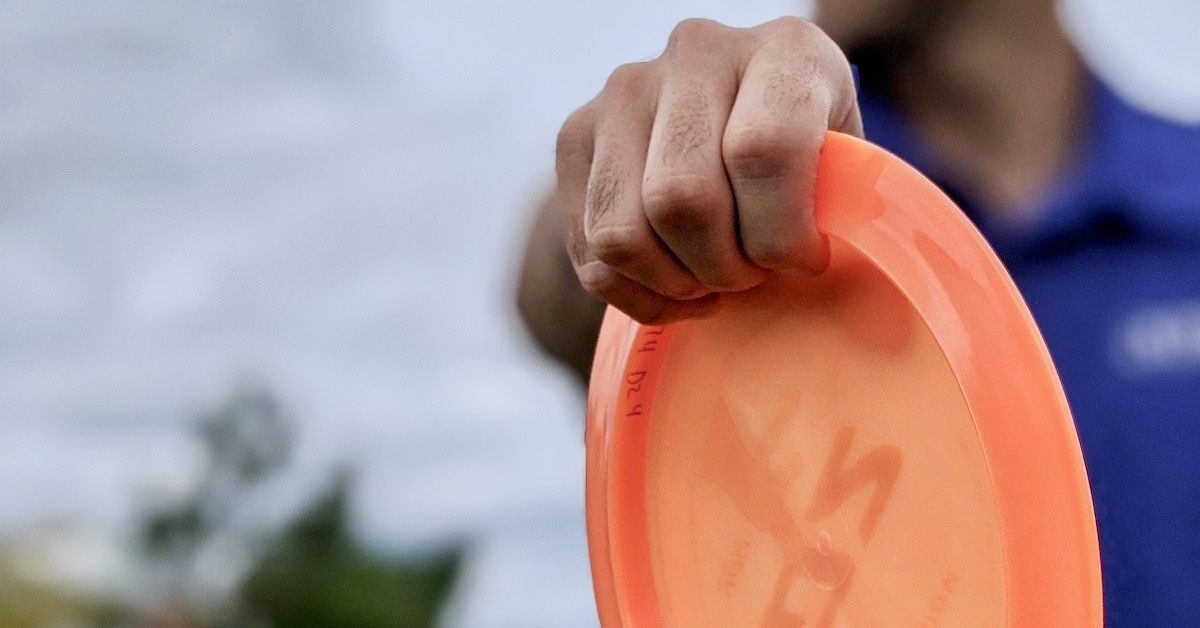
Disc Golf Grip (Backhand)

1. Power Grip vs. Fan Grip: The way you grip the disc can greatly impact your throwing technique and overall performance in disc golf. Two commonly used grips are the power grip and the fan grip, each offering distinct advantages for different types of throws.

a. Power Grip: The power grip is widely used for long-distance drives and powerful throws. It maximizes control and generates more power by utilizing a firm grip on the disc.

  • How To Use The Power Grip: To execute the power grip, place the disc deep in the hand, with the rim against the base of your fingers. Wrap your fingers tightly around the rim, ensuring a secure hold. The thumb should be pressed against the flight plate, providing additional stability and control.
  • Advantages Of The Power Grip: The power grip allows for a more efficient transfer of power from your body to the disc, enabling you to generate maximum distance. It provides a solid connection between your hand and the disc, allowing for a strong and controlled release. The grip’s firmness enhances stability during the throwing motion, minimizing potential wobble or flutter in the disc’s flight.
  • Considerations With The Power Grip: While the power grip offers increased power and distance potential, it may sacrifice some finesse and touch. It requires a higher level of grip strength and may be more challenging for players with smaller hands or limited finger dexterity. It is also important to practice maintaining a balanced grip pressure to avoid gripping the disc too tightly, which can affect your release and accuracy.

b. Fan Grip: The fan grip is often preferred for shorter throws that require accuracy and touch. It allows for a looser hold on the disc, promoting increased control and finesse.

  • How To Use The Fan Grip: To execute the fan grip, hold the disc with the rim against the pads of your fingers. Spread your fingers out, resembling a fan, and allow the thumb to rest lightly on the flight plate. The grip should be relaxed and comfortable, without excessive pressure on the disc.
  • Advantages Of The Fan Grip: The fan grip offers enhanced touch and control, making it ideal for approach shots, mid-range throws, and precision shots around obstacles. The looser grip allows for increased wrist and finger movement, facilitating delicate releases and subtle adjustments to the disc’s flight path.
  • Considerations With The Fan Grip: While the fan grip excels in accuracy and touch, it may sacrifice some power and distance potential. The looser grip may require additional focus on maintaining a clean release and avoiding grip slips during the throwing motion. It is crucial to find the right balance between a relaxed grip and maintaining enough control to prevent the disc from slipping or turning unexpectedly.

Understanding the strengths and weaknesses of both the power grip and fan grip empowers you to adapt your throwing technique to different situations on the course. Experiment with both grips during practice sessions to determine which one feels most comfortable and effective for various throws. Remember, proper grip technique, regardless of the chosen grip, is essential for consistent and controlled disc releases.

2. Stance & Body Position: The way you position your body and adopt a proper stance in disc golf can significantly impact your throwing power, accuracy, and overall control. Finding the right balance between generating power and maintaining control is crucial for consistent and accurate throws.

a. Stance: The stance refers to how you position your feet and body in preparation for a throw. There are a few common stances used in disc golf:

  • Backhand Stance: In the backhand stance, your throwing arm is extended across your body, and the disc is held with the back of your hand facing the target. Your non-throwing arm provides balance and stability while gripping the disc.
  • Forehand Stance (Or Sidearm): The forehand stance involves positioning your non-throwing arm across your body while holding the disc with the front of your hand facing the target. Your throwing arm swings across your body during the throw.
  • Hybrid Stance: The hybrid stance combines elements of both the backhand and forehand stances. It allows you to utilize the strengths of each technique and adapt to different throwing situations.

b. Body Position: In addition to the stance, your overall body position plays a vital role in generating power and maintaining control.

backhand

  • Balance: Ensure that your weight is evenly distributed between your feet, maintaining a stable base throughout the throwing motion. Proper balance enhances your control and stability during the throw.
  • Alignment: Face the target directly, aligning your body and feet in the direction you want the disc to go. This alignment promotes accuracy and minimizes unnecessary body movement during the throw.
  • Posture: Maintain a relaxed yet athletic posture with a slight bend in your knees and a straight back. This posture allows for better weight transfer and helps generate power from your legs and core.

c. Weight Shift & Follow-Through: Proper weight shift and follow-through are essential for maximizing power and maintaining control during the throw.

  • Weight Shift: As you initiate the throwing motion, transfer your weight from your back foot to your front foot. This weight transfer generates power and momentum, adding distance and accuracy to your throw.
  • Follow-Through: Complete the throwing motion with a smooth and controlled follow-through. Allow your arm to extend fully, and let your body naturally rotate towards the target. A full follow-through helps maintain accuracy and ensures that your energy is properly transferred into the disc.

By focusing on your stance, body position, weight shift, and follow-through, you can optimize your throwing technique in disc golf. Practice these aspects during training sessions to develop muscle memory and improve your overall throwing consistency. Remember, finding a comfortable and repeatable stance and body position that works best for you is key to achieving a balance between power, control, and accuracy in your throws.

Essential Throwing Techniques

Backhand Throw:
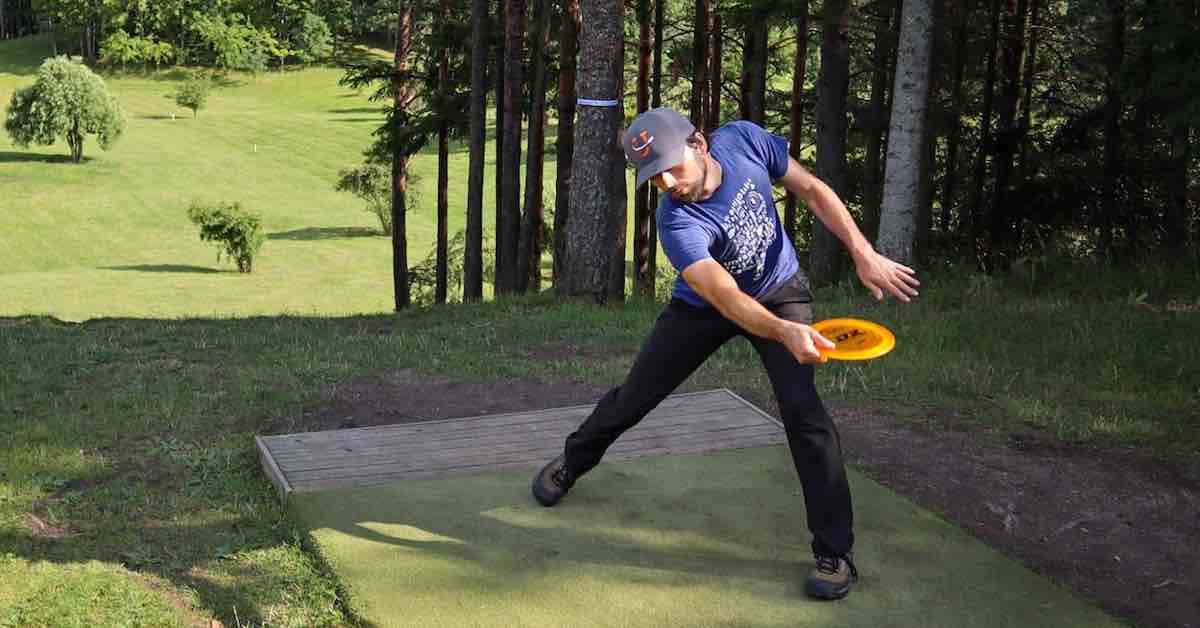
Backhand Throw

  1. Body Mechanics: Proper weight transfer, arm motion, and follow-through are crucial for a successful backhand throw. Understanding the mechanics behind these movements will help you generate power and accuracy.
  2. Release Point: The release point is the moment when you let go of the disc. Timing and accuracy at the release point significantly impact the flight path of your throw. Mastering this aspect will enable you to achieve consistent results.

Forehand (Sidearm) Throw:
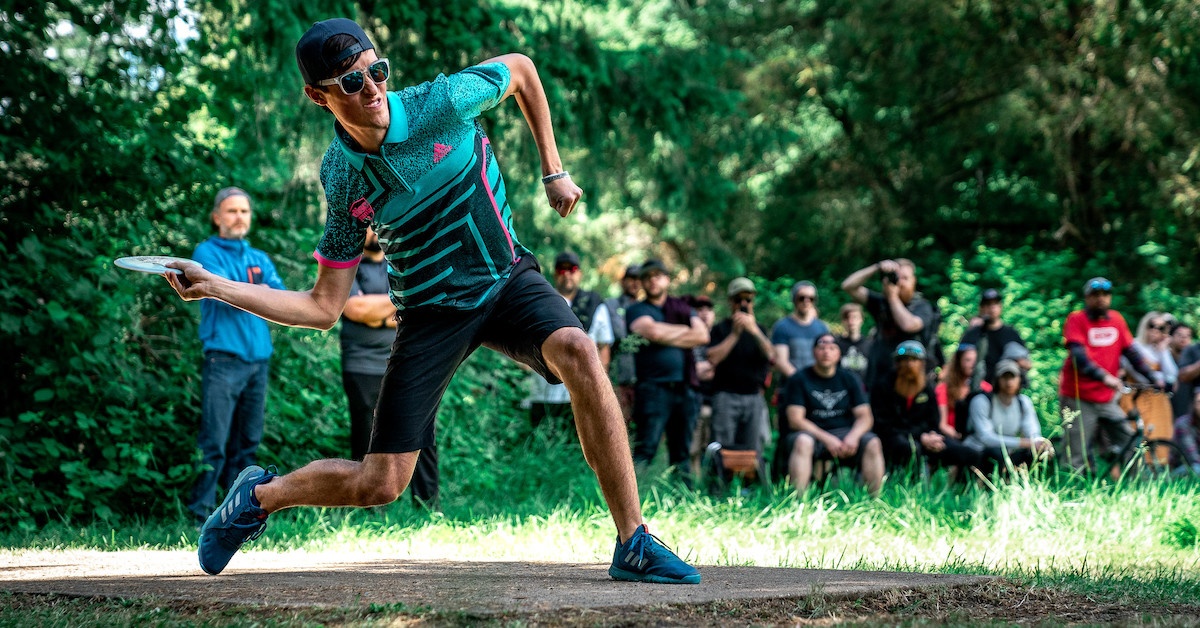
Forehand (Sidearm) Throw

  1. Grip & Arm Position: The grip and arm position are essential for executing a successful forehand throw. Proper finger placement and wrist action generate power and spin, allowing you to control the flight path of the disc.
  2. Snap & Release: The snap of the wrist and the release of the disc play a critical role in maximizing power and accuracy in a forehand throw. Understanding the mechanics behind the snap and release will help you improve your throws.

Effective Putting Strategies

Choosing The Right Putter:

  1. Putt & Approach Discs: Putters specifically designed for putting and approach shots offer varying levels of stability and glide. Understanding the characteristics of different putters will enable you to select the disc that suits your throwing style.
  2. Comfort & Confidence: Finding a putter that feels comfortable in your hand and instills confidence is vital for consistent and successful putting. Experimenting with different putters will help you identify the one that best suits your preferences.

Developing A Consistent Putting Routine:

  1. Stance & Alignment: Establishing a consistent stance and aligning yourself with the target are essential for accurate putting. Proper foot placement and focus on the target will improve your putting consistency.
  2. Grip & Release: A smooth and controlled grip, along with a clean release, contribute to consistent and accurate putting. Practicing these aspects will help you refine your putting technique.

Game Management & Strategy

Course Familiarization:

Disc Golf Course

  1. Scouting The Course: Understanding the terrain, layout, and potential obstacles on a disc golf course will help you plan your shots effectively. Take the time to analyze the course before you start playing.
  2. Pre-Shot Visualization: Visualizing your shots in advance allows you to strategize and plan for optimal shot placement. This mental preparation will help you navigate the course more efficiently.

Shot Selection & Shot Shaping:

  1. Hyzer, Anhyzer, & Straight Throws: Familiarize yourself with different throwing techniques to shape your shots. Hyzer throws curve left (for right-handed players), anhyzer throws curve right, and straight throws maintain a consistent flight path. Being able to execute these different throws will expand your shot selection and help you navigate obstacles effectively.
  2. Using Different Discs For Various Shots: Each disc has unique flight characteristics. Utilize different discs for specific shots to maximize control, accuracy, and distance.

Mental Approach & Mindset

Focus & Concentration:

  1. Eliminating Distractions: Disc golf requires focus and concentration. Minimize distractions and find your rhythm on the course to maintain consistent performance.
  2. Staying Present: Let go of past mistakes and future worries. Focus on the current shot and give it your full attention. Being present in the moment will help you perform at your best.

Handling Pressure:

  1. Breathing Techniques: Deep, controlled breathing helps calm nerves and maintain composure during high-pressure situations. Incorporate breathing exercises into your routine to manage pressure effectively.
  2. Positive Self-Talk: Develop a positive internal dialogue to build confidence and resilience. Encourage yourself and maintain a positive mindset, even in challenging situations.

Training & Practice Strategies

Field Work:

  1. Distance & Accuracy Drills: Dedicate time to practicing throws in an open space, focusing on both distance and accuracy. Work on different throwing techniques to improve your overall performance.
  2. Shot Repetition: Repeat specific throws to develop muscle memory and consistency. Consistent practice will help you execute shots with confidence on the course.

Putting Practice:
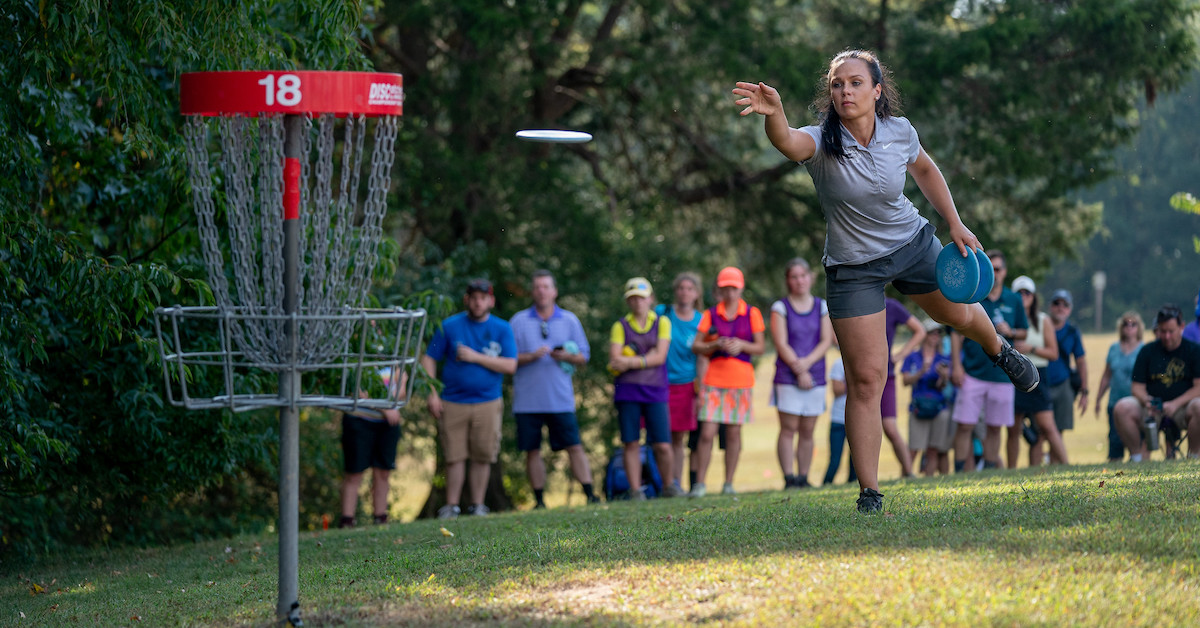
how to putt

  1. Short & Long Putts: Practice putting from various distances to improve your accuracy and touch. Focus on developing a consistent putting stroke for both short and long putts.
  2. Mock Rounds: Simulate game scenarios during practice by imagining specific hole layouts and shot requirements. This will help you prepare mentally for real-game situations.

Conclusion

By implementing the disc golf tips and techniques outlined in this article, you can enhance your skills, boost your confidence, and take your game to the next level. Remember, consistent practice and a positive mindset are essential for improving your performance on the disc golf course. Embrace the joy of disc golf, enjoy the journey of honing your skills, and let those discs fly with precision and finesse!


Review This Disc

Posted on

The Dos & Don’ts On The Disc Golf Course

No ratings yet.

Introduction

Disc golf is a thrilling and engaging sport that combines elements of traditional golf with the fun and excitement of throwing flying discs. Like any sport, disc golf has its own set of rules and etiquette that players must adhere to while on the course. Understanding and following the dos and don’ts of disc golf course etiquette not only enhances your overall experience but also fosters a positive and respectful environment for all players. In this comprehensive guide, we will explore the essential guidelines and unwritten rules to help you navigate the disc golf course with confidence, courtesy, and professionalism.

I. Respect For The Course & Equipment

  1. Keep The Course Clean: Disc golf courses are shared spaces, and it is crucial to maintain their cleanliness. Dispose of trash and litter in designated bins or carry a small bag to collect any waste encountered along the way. Treat the course with respect, ensuring it remains an enjoyable environment for all players.
  2. Preserve The Course: Avoid damaging or vandalizing the course in any way. Be mindful of where you step, avoiding tees and fairways when not playing. Respect the vegetation and wildlife surrounding the course, ensuring they are not disturbed or harmed.
  3. Treat Equipment With Care: Show respect for the discs, baskets, and other equipment. Refrain from throwing discs at or hanging on the baskets when not playing. Handle the discs with care to prevent unnecessary damage, ensuring they remain in good condition for others to enjoy.

II. Etiquette Towards Fellow Players

disc golf course etiquette

  1. Observe Proper Throwing Order: Respect the established throwing order or let faster groups play through. This ensures a fair and organized flow of play. Allow players who have completed a hole to move on to the next tee before starting your throw.
  2. Maintain Silence During Throws: Keep noise levels to a minimum while others are throwing. Unnecessary distractions can negatively impact their focus and performance. By maintaining silence, you create a conducive atmosphere for concentration and accuracy.
  3. Yelling “Fore!”: When a disc is heading towards another player or group, promptly yell “Fore!” to alert them of the potential danger. This simple act can prevent accidents and ensure everyone’s safety on the course.
  4. Wait For Your Turn: Avoid throwing simultaneously with other players on the same hole. Wait for them to complete their throws before taking yours, maintaining a safe distance from the throwing area. This courtesy allows each player to focus on their shot without unnecessary interference.
  5. Offer Assistance & Encouragement: If a player is searching for a lost disc or experiencing difficulties, offer assistance or words of encouragement. This supportive attitude fosters camaraderie and a positive atmosphere on the course, creating a sense of community among disc golfers.

III. Navigating Challenging Situations

  1. Respect Others’ Personal Space: Maintain a reasonable distance from other players when they are preparing or throwing their discs. Give them the privacy and focus they need to execute their shots effectively. By respecting personal space, you demonstrate consideration for others’ concentration and mental preparation.
  2. Pace Of Play: Play at a reasonable pace to ensure an enjoyable experience for everyone. Be mindful of the time taken between throws and complete the round within a reasonable timeframe. Avoid unnecessary delays, but also allow ample time for strategic decisions and shot preparations.
  3. Lost Discs: If you lose a disc, spend a reasonable amount of time searching for it. However, if your search proves unsuccessful, allow the following groups to play through to avoid holding up the game unnecessarily. Respect the flow of play and be mindful of others’ time on the course.
  4. Interrupting Play: If you need to cross a fairway or walk through a group playing, do so quickly and quietly, without disrupting their concentration. Wait for an appropriate moment to pass through, ensuring minimal disruption to ongoing play.
  5. Resolving Conflicts: In the event of disagreements or conflicts, remain calm and respectful when discussing the issue with fellow players. Engage in open communication, seeking to understand each other’s perspectives. Strive for a resolution that maintains the integrity of the game and ensures a positive experience for everyone involved.

IV. Safety Precautions On The Disc Golf Course

  1. Be Aware Of Your Surroundings: Always be mindful of other players, spectators, and potential hazards on the course. Look out for pedestrians, wildlife, and other obstacles that may pose a safety risk. Avoid throwing when there is a risk of hitting someone or something unintentionally.
  2. Watch For Disc Flight Paths: Pay attention to the flight paths of your discs and those of other players. Ensure that your throw does not intersect with another player’s path, reducing the risk of collision and injury. Stay alert and adjust your shot if necessary to maintain a safe distance.
  3. Follow Local Course Rules: Familiarize yourself with the specific rules and guidelines of the disc golf course you are playing on. Some courses may have unique safety measures or restrictions in place, such as mandatories or out-of-bounds areas. Adhering to these rules promotes safety and fairness for all.

V. Proper Communication & Etiquette During Play

  1. Communicate With Playing Partners: Maintain clear and open communication with your playing partners throughout the round. Discuss strategy, share information about the course, and inform each other of any potential hazards or obstacles. Effective communication helps create a cohesive and coordinated team dynamic.
  2. Offer Congratulatory & Respectful Gestures: Acknowledge and congratulate fellow players on their successful shots or accomplishments during the round. A simple high-five or a friendly nod can go a long way in fostering a positive and supportive atmosphere on the course. Likewise, be gracious in accepting compliments and avoid boastful behavior.
  3. Mind Your Language & Behavior: Keep your language and behavior in check during play. Avoid using offensive or derogatory language and maintain a respectful attitude towards others. Remember that disc golf is a family-friendly sport, and your conduct should reflect that.

VI. Taking Care Of The Course & Community

  1. Volunteer For Course Maintenance: Take an active role in maintaining and improving the disc golf course. Participate in organized clean-up days, help repair course features, or contribute to fundraising efforts for course upgrades. Giving back to the community ensures that the course remains enjoyable for future players.
  2. Educate New Players: If you are an experienced disc golfer, take the opportunity to educate and mentor newcomers to the sport. Share the rules, etiquette, and best practices with them, helping them become responsible and respectful players. By fostering a welcoming and inclusive environment, you contribute to the growth of the disc golf community.
  3. Support Local Disc Golf Organizations: Get involved with local disc golf organizations and clubs. Attend events, tournaments, and fundraisers to show your support for the community. By actively participating, you help create a vibrant and thriving disc golf scene in your area.

Conclusion

In conclusion, mastering the dos and don’ts of disc golf course etiquette across these six key areas is essential for a rewarding and enjoyable experience on the course. Respect for the course and equipment sets the foundation for preserving the natural environment and ensuring a clean and pristine playing space. Etiquette towards fellow players fosters a positive and harmonious atmosphere, where respect, patience, and support are valued. Navigating challenging situations with grace and consideration allows for smooth gameplay and conflict resolution. Prioritizing safety precautions ensures the well-being of all players and minimizes the risk of accidents. Proper communication and etiquette during play enhance teamwork and camaraderie, elevating the overall experience for everyone involved. Finally, taking care of the course and community through volunteering, education, and support contributes to the growth and sustainability of the disc golf community. By embracing these principles and incorporating them into our play, we can create a thriving and inclusive disc golf culture that welcomes players of all levels while fostering a deep appreciation for the game, the environment, and the people who share our passion. So, step onto the course with confidence, demonstrate respect, and savor the thrill of disc golf while embodying the spirit of good sportsmanship and stewardship.


Review This Disc

Posted on

Disc Golf Etiquette Tips Straight From The Pros

No ratings yet.

Introduction

Disc golf is a sport that combines the thrill of golf with the precision and skill of throwing discs. As with any sport, disc golf has its own set of rules and etiquette that players should follow to ensure a fair, safe, and enjoyable experience on the course. Whether you’re a seasoned disc golfer or new to the game, understanding and practicing proper etiquette is essential. In this article, we will delve into the world of disc golf etiquette and provide you with invaluable tips from the pros. Drawing on the wisdom and experiences of professional disc golfers, we will explore various aspects of etiquette, including respect for the course and environment, prioritizing safety, maintaining proper course etiquette, upholding sportsmanship and honesty, being mindful of distractions, and fostering communication and courtesy.

By adhering to these principles and incorporating them into your disc golf game, you not only enhance your own experience but also contribute to the overall growth and sportsmanship of the disc golf community. So, let’s dive in and discover the secrets of mastering disc golf etiquette with guidance from the pros!

1. Respect The Course & Environment

disc golf etiquette

a. Leave No Trace

Disc golf courses are often situated in natural settings, and it is crucial to respect and preserve the environment. As responsible disc golfers, we should leave no trace behind. This means carrying out any trash we generate and disposing of it in designated bins. Additionally, be mindful of the course’s flora and fauna, refraining from damaging trees, bushes, or any other vegetation. By leaving the course as we found it, we contribute to the overall beauty and sustainability of the environment.

b. Be Mindful Of Wildlife & Other Park Users

Disc golf courses often coexist with other park users, including wildlife. It is essential to show respect and consideration for both. Avoid disturbing animals or their habitats. Keep noise levels down and be mindful of their presence. Additionally, yield to pedestrians, cyclists, or any other individuals who are not playing disc golf. Let them pass before throwing to ensure their safety and maintain a harmonious experience for everyone.

c. Repair Divots & Footprints

During gameplay, divots and footprints can occur, particularly on tee pads and in high-traffic areas. It is good etiquette to repair any divots you create when teeing off and smooth out footprints in the teeing area or near the baskets. Using your foot or a provided tool, carefully restore the ground to its original state. This helps maintain the integrity of the course and ensures a level playing surface for all players.

d. Follow Course-Specific Guidelines

Each disc golf course may have specific guidelines or rules in place to protect the course and its surroundings. These guidelines can include restrictions on certain areas, special rules for sensitive terrain, or limitations on access during specific times. It is important to familiarize yourself with these guidelines and adhere to them accordingly. Respecting and following the course-specific guidelines demonstrates your commitment to being a responsible disc golfer.

2. Safety First

a. Wait For Players Ahead

Safety should always be a top priority in disc golf. It is important to exercise patience and wait for the group ahead to clear the fairway before throwing. Throwing while others are still within range can lead to accidents and injuries. By waiting for the path to be clear, we create a safer environment for everyone on the course.

b.. Yell “Fore” As A Warning

Sometimes, even with the utmost care, a disc might veer off course and pose a potential danger to others. In such situations, it is crucial to immediately shout “Fore” as a warning. This alert gives individuals time to react, take cover, or be aware of the incoming disc. By doing so, we prioritize the safety of others and demonstrate responsible play.

3. Proper Course Etiquette

a. Maintain A Reasonable Pace Of Play

To ensure a smooth and enjoyable experience for all players, it is essential to maintain a reasonable pace of play. This means being aware of the speed at which you and your group progress through the course. Take into consideration the number of players on the course and adjust your pace accordingly. If a group behind you is consistently waiting, it may be appropriate to allow them to play through. On the other hand, if you are catching up to the group in front, be respectful and patient. By maintaining an appropriate pace, we create a positive atmosphere for everyone.

b. Respect Tee Box Order

Tee box order is an integral part of the game and ensures fairness. The player with the best score on the previous hole usually tees off first, followed by the player with the second-best score, and so on. Respecting the tee box order promotes a smooth flow of play and allows each player their rightful turn. This tradition also helps maintain a friendly and competitive spirit throughout the round.

c. Be Quiet & Still During Throws

When a player is preparing and executing a throw, it is important to maintain silence and avoid any distractions. Any unnecessary movement or noise can disrupt a player’s concentration and potentially affect their performance. Show respect for fellow players by remaining quiet and still until the throw is complete. This practice creates an environment where everyone can focus and perform at their best.

4. Sportsmanship & Honesty

a. Call Penalties On Yourself

Sportsmanship and honesty are fundamental aspects of disc golf etiquette. If you commit a rule violation, whether stepping out of bounds or incurring a penalty stroke, it is important to acknowledge it and take the appropriate penalty. Honesty upholds the integrity of the game and ensures fair play for all participants. By taking responsibility for our actions, we set a positive example and contribute to a culture of sportsmanship on the course.

b. Offer Encouragement & Respect

Disc golf is not just about individual performance; it is also about building a supportive community. Offer words of encouragement to your fellow players, regardless of their skill level. Celebrate good shots and achievements, and provide constructive feedback when necessary. By fostering a positive and respectful atmosphere, we create a sense of camaraderie and motivate each other to excel.

5. Be Mindful Of Distractions

a. Limit Phone Usage

In the digital age, it can be tempting to constantly check our phones. However, excessive phone usage on the disc golf course can disrupt the flow of play and distract other players. It is advisable to limit phone usage to essential matters or designated breaks. By minimizing distractions, we maintain focus and create an environment conducive to an enjoyable disc golf experience.

b. Control Noise Levels

Disc golf is a sport that requires concentration and mental focus. Excessive noise, whether from conversations, music, or other sources, can disturb other players on the course. Be mindful of your volume and keep noise levels at a minimum. By creating a tranquil and focused environment, we enhance the overall experience for everyone involved.

6. Communication & Courtesy

a. Communicate With Fellow Players

disc golf players

Clear communication is vital in disc golf. Whether it’s discussing the game plan, strategizing, or informing others about your intentions, effective communication ensures smoother gameplay. Keep your group informed about your throws, provide updates on your position, and communicate any necessary information that may affect the round. By fostering open and respectful communication, we enhance the collaborative aspect of disc golf.

b. Yielding & Courtesy On The Course

Disc golf courses can become crowded, especially during peak times. It is important to be courteous and yield to others when necessary. If a group behind you is playing faster, politely offer them the opportunity to play through. When encountering other players, wait for them to complete their throws before proceeding. Demonstrating courtesy and consideration towards others on the course promotes a positive atmosphere and helps build a strong disc golf community.

7. Care For The Equipment

a. Properly Handle Discs

disc golf discsDiscs are essential tools in disc golf, and it is important to handle them with care. Avoid throwing discs in frustration or mistreating them in any way. Treat your discs as valuable equipment and maintain their condition by keeping them clean and free from unnecessary damage. Taking care of your discs not only ensures their longevity but also shows respect for the sport and its equipment.

b. Repair Damage To The Course

Accidents can happen on the course, and sometimes damage may occur, such as broken branches or divots in the fairway. It is important to take responsibility for any damage caused during your round. Whenever possible, repair or report any damage you notice to the course authorities or maintenance staff. By taking the initiative to rectify any unintentional harm, we contribute to the well-being and upkeep of the course.

c. Respect Equipment & Course Property

Disc golf courses often have various equipment, such as tee pads, baskets, signage, and benches. Show respect for these course elements by using them as intended and not engaging in any activities that may damage or deface them. Avoid hanging on baskets, climbing or sitting on signage, or placing excessive weight on benches. Treating the equipment and course property with care demonstrates your appreciation for the facilities provided and helps maintain a professional and welcoming atmosphere on the course.

d. Return Lost Discs

If you come across a lost disc during your round, make an effort to return it to its rightful owner. Discs can be valuable to players, and losing one can be disheartening. Take a moment to check for contact information on the disc or inquire with other players on the course to determine the owner. By making an honest attempt to return lost discs, you exhibit sportsmanship and contribute to a positive and supportive disc golf community.

e. Maintain Personal Equipment

In addition to caring for the course and shared equipment, it is essential to maintain your personal disc golf equipment. Inspect your discs regularly for any signs of wear, such as cracks or warping, and replace them as needed. Keep your bag clean and organized, and ensure that your disc golf bag is suitable for protecting and transporting your discs safely. Regularly clean your discs to remove dirt and debris that can affect their flight characteristics. By maintaining your personal equipment, you can maximize your performance and prolong the lifespan of your discs.

Taking care of the equipment in disc golf is not only a matter of responsibility but also a reflection of your passion for the sport. By properly handling discs, repairing damage to the course, respecting equipment and course property, returning lost discs, and maintaining your personal equipment, you contribute to a positive and respectful disc golf experience for yourself and fellow players.

8. Etiquette In Competitive Play

a. Know The Rules & Regulations

When participating in competitive disc golf, it is essential to have a thorough understanding of the rules and regulations specific to the event. Familiarize yourself with the tournament rules, format, and any additional guidelines. This knowledge helps ensure fair play, avoids unnecessary penalties, and promotes a level playing field for all participants.

b. Accepting Rulings & Resolving Disputes

In competitive play, there may be instances where rulings or disputes arise. It is crucial to approach these situations with a calm and respectful attitude. Accept the decisions made by tournament officials or designated authorities and avoid prolonged arguments or confrontations. Remember, maintaining a positive and sportsmanlike demeanor is essential in competitive disc golf.

9. Involve & Educate New Players

a. Welcome & Guide New Players

As experienced disc golfers, it is important to foster a welcoming environment for new players. Greet them warmly, offer guidance on course navigation and rules, and encourage their participation. By embracing newcomers and providing them with a positive introduction to the sport, we contribute to the growth and inclusivity of disc golf.

b. Teach Etiquette & Rules

Educating new players about disc golf etiquette and rules is crucial for the overall development of the sport. Take the opportunity to explain the importance of etiquette, safety measures, and fair play principles. By passing on this knowledge, we ensure that future generations of disc golfers adhere to the highest standards of conduct on the course.

Conclusion

Disc golf etiquette is an integral part of the sport, promoting respect, safety, and sportsmanship among players. By following the tips and advice from the pros, we can contribute to a positive and enjoyable experience on the course for ourselves and others. From respecting the environment and practicing safety measures to maintaining proper course etiquette and promoting sportsmanship, each aspect of disc golf etiquette enhances the overall integrity and camaraderie of the game. Let us strive to be exemplary disc golfers and ambassadors of the sport, inspiring others to embrace and uphold these essential principles.

Review This Disc

Posted on

What Is An Ace In Disc Golf?

No ratings yet.

Introduction

Disc golf has gained popularity worldwide as an exciting and challenging sport that combines elements of accuracy, strategy, and athleticism. Similar to traditional golf, disc golf has its own unique achievements, one of which is the highly coveted “ace.” In this article, we will explore the essence of aces in disc golf, understanding what they are, the recommended discs for aces, strategies for scoring them, and the thrill they bring to players and spectators alike.

Cracking The Code: Understanding Aces In Disc Golf

What Is An Ace In Disc Golf

In disc golf, an “ace” refers to a hole-in-one or a throw that lands directly in the target basket from the tee pad. It is the ultimate achievement for disc golfers, analogous to a golfer sinking a ball in one stroke into the cup on a traditional golf course. Scoring an ace requires a combination of skill, precision, and a bit of luck.

To record an official ace, the throw must meet specific criteria. Firstly, the disc must be thrown from the designated tee pad of the hole, typically marked by a designated area or a concrete pad. The throw must be completed in one stroke, with the disc landing directly in the target basket without any additional throws or bounces. The ace is counted regardless of the disc type used, whether it’s a driver, mid-range disc, or putter. 

Aces are relatively rare and considered remarkable achievements in the disc golf community. They can occur on holes of varying lengths and difficulties, making them possible on both shorter, technical holes and longer, open holes. The excitement and satisfaction that come with scoring an ace make it a memorable moment for players.

Aces hold a special place in disc golf culture. They often elicit cheers and celebrations from players and spectators alike, creating a unique and electric atmosphere on the course. Players may commemorate their aces by collecting the disc they used, marking it with the date and hole number, or even signing it as a keepsake.

It is worth noting that while aces are highly sought after, they are not the sole measure of skill or success in disc golf. The sport values consistency, accuracy, and overall performance over the course of an entire round or tournament. Aces may be rare, but the joy of the sport lies in the challenge of each individual throw, the strategic decisions made on the course, and the camaraderie shared among players.

In summary, an ace in disc golf refers to a throw that lands directly in the target basket from the tee pad in a single stroke. It is a highly esteemed achievement, representing a combination of skill, precision, and a touch of luck. Aces add an element of excitement and celebration to the game, creating unforgettable moments for players and spectators alike.

How To Score An Ace

What Is An Ace In Disc Golf

Scoring an ace in disc golf requires a combination of skill, strategy, and a dash of luck. Here are some tips and strategies to help increase your chances of hitting that elusive ace:

  1. Course Familiarity: Take the time to familiarize yourself with the course layout. Study the distances, terrain, and potential obstacles on each hole. Knowing the course well will help you determine the ideal strategy and disc selection for attempting an ace.
  2. Shot Selection: Analyze the hole and assess the best line and disc type for the shot. Consider the distance, wind conditions, and any obstacles in your path. Choose a disc that matches the required flight path and adjust your aim accordingly. Remember, a disc with a stable flight pattern will increase your chances of hitting the target accurately.
  3. Master Your Technique: Focus on developing a consistent and controlled throwing technique. Proper form, balance, and weight transfer are crucial for generating power and accuracy. Practice your drives, approaches, and putts regularly to refine your skills and increase your chances of executing a successful ace.
  4. Visualization & Mental Focus: Before each throw, visualize the perfect shot. Visualize the disc smoothly soaring through the air and gracefully landing in the target basket. Positive visualization enhances your focus, confidence, and overall performance. Trust your skills and believe in your ability to achieve the ace.
  5. Seize The Opportunities: While aces are rare and challenging, some holes offer better chances than others. Identify shorter holes or holes with a more straightforward line to the basket. These holes provide higher probabilities for aces and can be valuable opportunities to add a remarkable achievement to your disc golf repertoire.

Disc Golf Discs Recommendations For Aces

disc golf discs

Choosing the right disc for your throw is essential to increase your chances of scoring an ace in disc golf. Here are some recommendations for the different types of discs commonly used:

  1. Drivers: Drivers are designed for maximum distance and speed. To achieve a long-distance ace, select a high-speed driver with a stable or slightly overstable flight pattern. Popular choices include discs like the Innova Destroyer, Dynamic Discs Sheriff, or Discraft Nuke. These discs offer the combination of speed and stability needed to maintain a straight flight and increase the likelihood of an ace.
  2. Mid-range Discs: Mid-range discs are versatile and suitable for both shorter drives and precise approaches. When targeting aces on mid-range shots, choose a disc with a straight-to-stable flight pattern. Recommended mid-range discs for aces include the Discraft Buzzz, Innova Roc, or Dynamic Discs Emac Truth. These discs provide excellent control and accuracy, giving you the best chance of hitting the target with precision.
  3. Putters: Putters are vital for short-range shots and have a more predictable and controllable flight. They are the preferred discs for many players when attempting an ace on shorter holes. Opt for a putter with a stable flight and reliable fade, such as the Innova Aviar, Discraft Luna, or Dynamic Discs Judge. These discs excel in accuracy and touch, making them ideal for executing the delicate shots required for an ace.

Celebrating The Ace & Its Impact

The thrill of scoring an ace in disc golf is unparalleled. It’s a moment of pure excitement, joy, and celebration for both the player and spectators. The disc flying gracefully through the air, hitting chains with a resounding “ching,” and nestling into the basket is a sight to behold.

Aces bring an incredible sense of accomplishment and pride to disc golfers, validating their skills and dedication to the sport. They often become cherished memories and stories shared within the disc golf community. Aces create bonds and camaraderie among players, fostering a sense of friendly competition and admiration for the game’s intricacies.

The Role Of Luck In Scoring An Ace

While skill and strategy play a significant role in scoring an ace, luck also holds a crucial place in the equation. Aces are often referred to as “once-in-a-lifetime” shots because they require a unique combination of factors aligning perfectly. The flight path, wind conditions, angle of release, and even the subtlest variations in the disc’s trajectory can all influence the outcome of a throw.

Luck comes into play during the flight of the disc. Even with the perfect combination of power, angle, and release, uncontrollable factors such as wind gusts or unexpected bounces can determine whether the disc finds its way into the target basket. It’s this element of unpredictability that adds to the excitement and suspense surrounding a potential ace.

However, it’s important to note that luck alone cannot guarantee an ace. Without the skillful execution of the throw and proper disc selection, the chances of success diminish. Skilled players understand that they must harness their abilities and align them with the elements of luck to optimize their chances of scoring an ace.

Famous Aces In Disc Golf History

Throughout the history of disc golf, several awe-inspiring aces have left an indelible mark on the sport. These incredible shots have not only showcased the skill and precision of the players but have also become iconic moments in disc golf history.

One of the most famous aces occurred during the 2016 European Open in Nokia, Finland. Paul McBeth, a highly accomplished professional disc golfer, threw a remarkable 280-foot ace on Hole 14 during the final round. His shot not only thrilled the crowd but also secured him the victory in the tournament. This ace has become a defining moment in McBeth’s career and has solidified his status as one of the game’s greatest players.

Another notable ace took place during the 2012 United States Disc Golf Championship. Will Schusterick, known for his exceptional skills, scored a breathtaking ace on Hole 4, a 500-foot par 3. The shot required a perfect combination of power, accuracy, and luck to navigate through the dense forest and land in the target basket. Schusterick’s ace was a testament to his mastery of the game and earned him accolades for his remarkable achievement.

In addition to professional players, aces by amateur and recreational disc golfers also captivate the community. These personal triumphs highlight the inclusive nature of the sport and inspire players of all skill levels to aim for greatness. Sharing these stories of individual aces fosters a sense of camaraderie within the disc golf community, as players celebrate each other’s successes and draw inspiration from their achievements.

The Psychology Of Aces: The Mental Game

Scoring an ace in disc golf is not only a physical feat but also a psychological one. The mental aspect of the game plays a vital role in achieving this extraordinary shot. Understanding the psychology behind aces can provide valuable insights into enhancing performance and increasing the likelihood of success.

Visualization is a powerful technique used by many disc golfers to mentally prepare for an ace. Before stepping up to the tee pad, players visualize the entire flight of the disc, envisioning it gliding smoothly through the air and finding its target in the basket. This mental imagery helps build confidence and primes the mind for success.

Maintaining focus throughout the throw is essential. Disc golfers must block out distractions, tune in to their technique, and execute the throw with precision. Mental discipline and the ability to stay present in the moment are crucial in delivering a well-executed shot.

Managing pressure is another aspect of the psychological game. Aces are often attempted during competitive play or high-stakes situations, which can increase the pressure on the player. Disc golfers must learn to manage their nerves, control their breathing, and channel their energy positively. Developing mental resilience and maintaining composure under pressure can significantly impact performance and increase the chances of scoring an ace.

Positive self-talk and belief in one’s abilities also play a vital role. Disc golfers who approach each shot with confidence and a strong belief in their skills create a conducive mental environment for achieving aces. Cultivating a positive mindset helps players overcome challenges, maintain focus, and maximize their potential.

Aces For A Cause: Charity Aces In Disc Golf

Aces hold a special place in disc golf charity events and fundraisers, where they serve as a means to raise funds for worthy causes. Many disc golf tournaments feature “Ace Pots” or designated holes where players can contribute to a charitable cause by scoring an ace. This unique combination of competition and philanthropy adds a deeper meaning to the pursuit of aces.

The Ace Pot is a collection of entry fees or additional contributions from participants, specifically designated for a charitable purpose. The money accumulated in the pot is then donated to a chosen charity or used to support local disc golf initiatives. This aspect of charity aces brings the disc golf community together, fostering a sense of unity and shared purpose beyond the sport itself.

Charity aces provide players with an opportunity to make a positive impact while enjoying the competitive nature of the game. They serve as a reminder of the broader significance of disc golf, emphasizing the potential for the sport to contribute to social causes and make a difference in local communities.

Celebrating Personal Aces: Sharing Stories & Milestones

Personal aces hold a special place in the hearts of disc golfers. These are the moments that players cherish, celebrating their own achievements and sharing their stories with fellow enthusiasts. The disc golf community is a vibrant and supportive network, where players come together to inspire and encourage one another.

Sharing personal ace stories creates a sense of camaraderie and mutual appreciation within the disc golf community. Whether it’s through social media, local club gatherings, or online forums, players relish the opportunity to recount their experiences, share photos or videos of their aces, and celebrate the milestones they have achieved.

These personal aces become significant milestones in a disc golfer’s journey. They represent the culmination of hard work, practice, and dedication. Personal aces inspire others to believe in their own potential and push the boundaries of what they can achieve on the course.

In conclusion, aces in disc golf are not only remarkable shots but also multifaceted experiences. They encompass elements of luck, skill, strategy, psychology, and community. From the famous aces witnessed in professional tournaments to the personal triumphs celebrated by recreational players, aces bring joy, excitement, and a profound sense of accomplishment. So, embrace the challenge, continue honing your skills, and pursue your own ace moments. Who knows, the next extraordinary shot could be just around the corner, ready to create a lasting memory in the vibrant world of disc golf.

Review This Disc

Posted on

What Is A Birdie In Disc Golf?

No ratings yet.

Introduction

Disc golf has rapidly grown in popularity, attracting both seasoned athletes and recreational players seeking an outdoor adventure. Similar to traditional golf, disc golf has its unique set of terminology and scoring system, with one notable term being the “birdie.” In this comprehensive article, we will delve into the concept of what is a birdie in disc golf, providing an in-depth understanding of its definition, significance, scoring, strategies, and its relation to other scoring terms. By exploring various aspects of birdie scoring, players can enhance their skills and strategize effectively, leading to improved gameplay and enjoyment on the course.

What Is Disc Golf?

What Is A Birdie In Disc Golf

Disc golf is an exhilarating sport that combines elements of traditional golf with the precision of throwing specialized discs towards a target basket. Players aim to complete each hole in the fewest throws possible, much like in golf. However, instead of using clubs and golf balls, players use a variety of discs specifically designed for different flight characteristics and distances. The objective of disc golf is to complete a course consisting of 9 or 18 holes, with the player achieving the lowest total score emerging as the victor.

Scoring In Disc Golf

Scoring in disc golf is based on the number of throws it takes to complete each hole. Each hole is assigned a specific par, which represents the number of throws an average player should require to successfully complete the hole. Scoring below par is advantageous, while scoring above par is less desirable. Understanding the scoring system is crucial for players to track their progress and determine their performance relative to the course difficulty.

Understanding The Birdie In Disc Golf

The term “birdie” originated in traditional golf and has seamlessly made its way into disc golf terminology. In disc golf, a birdie is achieved when a player completes a hole in one throw less than the assigned par. For example, if a hole is designated as a par 3 and a player completes it in two throws, they have scored a birdie. The accomplishment of a birdie signifies a player’s ability to surpass the expected performance, showcasing skill, accuracy, and control over their throws.

Differentiating Birdies From Other Scoring Terms

To grasp the significance of birdies, it is essential to differentiate them from other scoring terms commonly used in disc golf. A “par” is achieved when a player completes a hole in the number of throws equal to the assigned par. This implies that the player has performed according to the expected standard. On the other hand, a “bogey” occurs when a player completes a hole in one throw over the assigned par. Similarly, a “double bogey” is scored when a player completes a hole in two throws over the assigned par. These terms reflect different levels of performance and provide valuable insights into a player’s skill and execution.

Scoring A Birdie

To successfully score a birdie, players must complete a hole in one throw less than the assigned par. This feat requires a combination of technical proficiency, strategic decision-making, and adaptability to different course conditions. Several factors influence birdie opportunities, including the layout of the course, player skills and technique, and environmental conditions such as wind speed and direction. Certain holes may pose greater challenges, demanding accurate throws around obstacles or across varying terrain. Conversely, other holes may present favorable conditions, offering a higher probability of scoring a birdie. To maximize birdie opportunities, players need to assess these factors and adjust their throwing techniques accordingly.

Strategies For Achieving Birdies

What Is A Birdie In Disc Golf

Achieving birdies in disc golf necessitates a thoughtful approach and a comprehensive strategy. Here are some key strategies that players can employ to improve their chances of scoring birdies:

  1. Accurate Throws & Shot Selection: Emphasize the importance of throwing accurate shots that maximize control and minimize the risk of errors. Selecting the appropriate disc for each shot based on the distance, wind conditions, and desired flight path is crucial in executing successful throws.
  2. Recognizing Scoring Opportunities: Carefully study the course layout and identify holes that provide favorable birdie opportunities. Shorter, less obstructed holes with manageable pars are often prime candidates for birdie attempts. By identifying these scoring opportunities, players can tailor their strategies accordingly, giving them a competitive edge.
  3. Exploiting Scoring Opportunities: Capitalize on scoring opportunities by making calculated risks. Assess the potential rewards versus the risks involved in attempting a birdie shot. This evaluation involves considering the course layout, potential obstacles, and the player’s skill set. By recognizing when to take calculated risks, players can maximize their chances of achieving birdies.
  4. Mental Game & Focus: The mental aspect of disc golf is as vital as physical skills. Maintaining a positive mindset, confidence, concentration, and mental resilience play a crucial role in executing birdie shots consistently. Developing mental strategies, such as visualization and focusing on the process rather than the outcome, can significantly enhance a player’s ability to score birdies.

Birdie Examples & Techniques

To better understand the practical application of birdie-scoring strategies, let’s explore some examples of birdie opportunities on different types of holes:

  1. Short, Technical Holes: These holes often require precise throws through narrow fairways or around obstacles such as trees or bushes. Players can employ controlled mid-range discs or putters to increase accuracy and improve their chances of scoring a birdie. Throwing a disc with a reliable flight pattern and moderate distance capability aids in achieving accurate throws.
  2. Long, Open Holes: Longer holes provide opportunities for players with strong throwing arms to reach the basket in fewer throws. Strategic shot selection and utilizing drivers capable of covering longer distances can help secure birdies on these holes. Executing powerful yet controlled throws, accompanied by an understanding of wind conditions and disc stability, is crucial in capitalizing on these birdie opportunities.
  3. Par 4 & Par 5 Holes: Scoring a birdie on par 4 and par 5 holes requires a combination of power, precision, and effective course management. These longer holes often involve multiple throws and strategic decision-making. Players need to break down these holes into manageable sections, considering the optimal placement of each throw to set up the birdie opportunity. This approach involves balancing distance, accuracy, and risk assessment.

Importance Of Birdies In Disc Golf

Birdies hold significant importance in the sport of disc golf, both competitively and psychologically. Scoring birdies enables players to build a competitive score by consistently performing below par. In professional disc golf tournaments, birdie differentials often serve as indicators of player performance and can impact player rankings and ratings. Players who consistently score birdies demonstrate their ability to rise above average performance and execute exceptional throws. Moreover, birdies can create positive momentum and psychological boosts, enhancing a player’s confidence and motivation throughout the round.

Challenges & Obstacles In Achieving Birdies

Scoring birdies in disc golf is not without its challenges. Accuracy and precision are paramount, requiring players to consistently execute precise throws. The course itself presents challenges, including varying terrain, obstacles, and changing weather conditions. Players must adapt their throwing techniques to account for these factors. Additionally, mental obstacles such as pressure, distractions, and managing expectations can significantly affect a player’s ability to score birdies consistently. Overcoming these challenges requires practice, resilience, and a focused mindset, allowing players to navigate through obstacles and seize birdie opportunities.

Birdie Streaks & Records

Throughout the rich history of disc golf, several players have achieved impressive birdie streaks, scoring multiple birdies in consecutive holes or rounds. These remarkable streaks demonstrate exceptional skill, focus, and consistency. Notable disc golfers have set records for the most birdies in a single round, tournament, or season, further highlighting the importance and impact of birdie scoring in the sport. These records inspire players to push their limits, strive for excellence, and etch their names in the annals of disc golf history.

The Role Of Birdies In Disc Golf Culture & Community

Birdies hold a special place in disc golf culture and community. Scoring birdies is often celebrated and praised as a significant achievement, fostering camaraderie and friendly competition among players. Birdies can create memorable moments on the course, generating excitement and encouraging players to push their boundaries. Furthermore, birdies are often shared and celebrated through social media platforms, disc golf forums, and local community events, strengthening the sense of belonging and shared passion within the disc golf community. Exploring the role of birdies in disc golf culture highlights the collective enthusiasm and shared experiences that make disc golf such a vibrant and inclusive sport.

Birdie Strategies In Tournament Play

In competitive disc golf tournaments, players often employ specific strategies to increase their chances of scoring birdies and gain a competitive edge. These strategies may involve aggressive shot selections to attack birdie opportunities or conservative approaches to minimize risks and maintain consistent performance. Exploring the various birdie strategies employed by professional players can provide valuable insights into course management, shot selection, and mental game tactics. Understanding these strategies can help amateur and aspiring players develop their own game plans for tournament play.

Birdie Opportunities In Different Disc Golf Course Types

Disc golf courses come in various types and designs, each offering unique challenges and opportunities for birdies. From wooded courses with tight fairways to open, wide-open courses with long distances, each course type presents different strategies and shot requirements to score birdies. Examining the characteristics of different course types and understanding how they influence birdie opportunities can assist players in adapting their game to various course layouts. By recognizing the strengths and weaknesses associated with different course types, players can optimize their birdie-scoring potential.

Birdie Scoring In Doubles & Team Play

While disc golf is often played individually, doubles and team formats are becoming increasingly popular. In these formats, players partner up and work together to achieve the best team score. Scoring birdies in doubles and team play adds an extra layer of strategy, as players must coordinate their shots and capitalize on each other’s strengths. Understanding the dynamics of birdie scoring in doubles and team play can enhance communication, teamwork, and the overall enjoyment of the game. Exploring successful team strategies and the dynamics of scoring birdies in these formats provides valuable insights for players participating in doubles and team competitions.

Conclusion

In the vibrant world of disc golf, the concept of a birdie holds great significance. Scoring a birdie signifies a player’s ability to surpass par, demonstrating skill, precision, and strategic decision-making. Achieving birdies requires a combination of technical proficiency, strategic thinking, and mental fortitude. By understanding the requirements, implementing effective strategies, and overcoming challenges, players can enhance their gameplay and aim for better scores. Disc golf enthusiasts can continue to embrace the excitement and satisfaction that comes with scoring birdies, making their rounds on the course even more enjoyable. So, gear up, practice your throws, and embrace the thrill of pursuing those elusive birdies on the disc golf course.

Ready To Try Disc Golf?

What Is A Birdie in Disc Golf? A Beginner's Guide 2023 - YetiDiscGolf

If you’re inspired to try disc golf and embark on your own birdie-scoring journey, it’s essential to have the right equipment. Visit these best disc golf starter sets for beginners to discover the top disc options tailored for newcomers to the sport. Equipped with beginner-friendly discs, you can confidently step onto the course and begin your disc golf adventure.

So, gear up, practice your throws, and embrace the thrill of pursuing those elusive birdies on the disc golf course. With dedication, practice, and a passion for the sport, you can experience the joy of scoring birdies and find yourself captivated by the exciting world of disc golf!


Review This Disc

Posted on

What Does Overstable Mean In Disc Golf

No ratings yet.

Introduction

Disc golf, a dynamic sport that has gained immense popularity over the years, requires players to select the right disc for each throw. One critical factor in disc selection is understanding the concept of stability. Among the various types of discs available, overstable discs play a crucial role. In this comprehensive guide, we will explore what “overstable” means in disc golf, how to identify an overstable disc, and the key differences between overstable and understable discs. By understanding these concepts, you’ll be better equipped to improve your disc golf game and make informed decisions when choosing the right discs for specific shots.

I. What Does Overstable Mean?

Overstable Disc Golf (Explained) – Fun In The Yard

Overstable discs refer to a specific category of discs in disc golf that tend to exhibit a predictable flight path. When thrown with sufficient speed and power, an overstable disc will resist turning or flipping over during its flight. Instead, it maintains a stable and reliable flight trajectory, making it a valuable tool for certain situations on the course.

II. How To Tell If Your Disc Is Overstable

The Most Overstable Distance Drivers - Disc Golf Reviewer

Identifying whether a disc is overstable requires a combination of observation and understanding its flight characteristics. Here are some key indicators that can help you determine if a disc is overstable:

  1. Disc Designations: Manufacturers often assign stability ratings to their discs, usually ranging from -3 to +3. A higher positive number indicates increased stability, meaning that a disc with a +3 rating is highly overstable.
  2. Disc Rim Shape: Overstable discs typically have a wider and more rounded rim compared to understable discs. This design helps in maintaining stability by resisting excessive turn.
  3. Fade: Another significant factor in determining a disc’s stability is the fade rating. A higher fade rating indicates a more pronounced and predictable fade at the end of the flight.

III. Overstable & Understable: Understanding The Differences

Overstable vs Understable Discs - Disc Golf Dash

While overstable discs have their advantages, it’s essential to understand how they differ from understable discs. Here are some key distinctions:

  1. Flight Characteristics: Overstable discs tend to have an initial straight flight, followed by a consistent fade at the end. Understable discs, on the other hand, have a tendency to turn or curve to the right (for right-handed backhand throws) due to their design and aerodynamics.
  2. Shot Selection: Overstable discs excel in situations that require accuracy, control, and reliable finishes. They are ideal for navigating windy conditions, making precise upshots, and handling overstable shots, such as forehands and skip shots. Understable discs are more suitable for beginners, long-distance drives, and shots that require a significant turn or curve.
  3. Player Skill Level: Overstable discs typically demand a higher level of skill and power to achieve their intended flight paths effectively. They require proper technique and arm speed to maximize their potential. Understable discs are more forgiving for players with less power or experience, allowing them to achieve distance with less effort.

IV. Utilizing Overstable Discs In Different Scenarios

Overstable discs offer valuable advantages in specific situations on the disc golf course. Here are some common scenarios where overstable discs can shine:

  1. Windy Conditions: When facing strong headwinds or crosswinds, overstable discs provide stability and resistance to the wind’s effects. Their reliable flight path helps maintain control and reduces the risk of the disc being carried off course.
  2. Forehand Throws: Overstable discs are often preferred for forehand or sidearm throws. The inherent stability of these discs allows players to execute accurate shots with a controlled release and predictable finish. The overstable nature helps counteract the natural tendency of forehand throws to turn over or fade out too early.
  3. Skip Shots: Skip shots involve intentionally bouncing the disc off the ground to change its trajectory and gain distance. Overstable discs with a reliable fade at the end of the flight can be utilized effectively for skip shots. The disc’s stability allows for a consistent angle of impact, ensuring a predictable skip.
  4. Approaches & Upshots: When precision and accuracy are paramount, overstable discs shine. They provide a reliable flight path for shorter throws, allowing players to navigate tight fairways, avoid obstacles, and land close to the target. The predictable fade at the end helps control the disc’s landing position.

If you’re in search of overstable discs, we recommend checking out the following articles that specifically focus on different types of overstable discs:

Best Overstable Midrange Discs
Overstable Putters
Best Overstable Drivers

By exploring these articles, you’ll gain a comprehensive understanding of overstable discs across different disc categories, allowing you to make informed decisions when selecting the best discs to enhance your disc golf game.

V. Fine-Tuning Your Disc Selection

To optimize your disc golf game, it’s essential to build a well-rounded disc collection that includes overstable discs. Here are some tips to help you fine-tune your disc selection:

  1. Experimentation: Disc golf is a dynamic sport, and personal preferences can vary. Experiment with different overstable discs from various manufacturers to find the ones that best suit your throwing style and comfort.
  2. Consider Disc Speed: Overstable discs come in different speed ratings. Lower speed discs are suitable for shorter throws and controlled approaches, while higher speed discs are designed for longer drives. Match the disc’s speed to the desired shot distance and power level.
  3. Understand Disc Stability Variations: Overstable discs can vary in their degree of stability. Some may have a more subtle fade, while others exhibit an extreme hook at the end. Take note of the stability ratings provided by manufacturers to select discs that suit your needs.
  4. Seek Advice & Guidance: Engage with experienced disc golfers, join online forums, or participate in local disc golf communities to gain insights into disc selection and techniques. Learn from others’ experiences and consider their recommendations when expanding your disc collection.

VI. Proper Disc Maintenance & Care

To ensure optimal performance and longevity of your overstable discs, it is important to take good care of them. Here are some tips for disc maintenance:

  1. Cleanliness: Regularly clean your discs to remove dirt, debris, and oils that can affect their flight characteristics. Use a mild dish soap or dedicated disc golf disc cleaner, along with a soft cloth or sponge, to gently wipe the surface of the disc. Avoid abrasive cleaners or rough materials that can scratch the disc.
  2. Storage: Store your discs in a cool, dry place away from direct sunlight and extreme temperatures. Excessive heat or cold can cause the plastic to warp or become brittle, affecting the disc’s flight. Consider using a disc golf bag or dedicated disc storage solution to protect your discs from damage.
  3. Avoid Hard Surfaces: Discs are designed for flight, not for impact with hard surfaces like concrete or asphalt. Avoid throwing your discs directly into hard objects or allowing them to land on unforgiving surfaces. This can lead to dents, scratches, or even cracks in the disc, affecting its stability.
  4. Use Proper Technique: Disc golf is a sport that relies heavily on technique. Ensure you’re using proper throwing mechanics, including a clean release and appropriate power, to reduce stress on the disc. Throwing discs with excessive force or torque can cause unnecessary wear and tear.

VII. Evolving Your Game

As you become more familiar with overstable discs and gain experience in disc golf, you’ll likely find opportunities to expand your skills and explore new shots. Here are some ways to evolve your game:

  1. Disc Selection For Specific Shots: Develop a deeper understanding of the flight characteristics of overstable discs to choose the most appropriate disc for each shot. Consider factors such as distance, wind conditions, and desired flight path when selecting a disc. Experiment with different molds and weights to find the perfect disc for each situation.
  2. Practice Different Throwing Techniques: Overstable discs can be used for more than just forehand throws. Explore different throwing techniques, such as thumbers, tomahawks, or hyzer flips, to utilize the unique flight patterns of overstable discs creatively. Practice these shots in a controlled environment to build confidence and accuracy.
  3. Learn Disc Manipulation: Overstable discs can be manipulated in flight to execute specific shots. By understanding the nuances of disc manipulation, such as nose angle control, wrist snap, and release angles, you can fine-tune your shots and add versatility to your game. Experiment with different angles and grips to explore the full potential of overstable discs.
  4. Seek Professional Guidance: Consider taking lessons or attending clinics conducted by experienced disc golfers or professional players. Their expertise can provide valuable insights, tips, and techniques to improve your game and optimize your use of overstable discs.

VIII. The Impact Of Overstable Discs On Your Game

Incorporating overstable discs into your disc golf game can have a significant impact on your overall performance. Here are some ways in which these discs can positively influence your game:

  1. Increased Accuracy: Overstable discs provide a higher level of accuracy due to their consistent flight patterns. Their resistance to turning and flipping allows you to confidently aim at specific targets, resulting in more accurate shots and better placement on the course.
  2. Improved Wind Resistance: Wind is a common challenge in disc golf, and overstable discs excel in windy conditions. Their stable flight paths and ability to cut through the wind with less effect on their trajectory give you an advantage when playing in gusty conditions. You’ll be able to maintain control and accuracy even in challenging wind situations.
  3. Versatility: Overstable discs offer versatility in your shot selection. While they are often associated with forehand throws, they can be utilized in a variety of situations. From controlled approaches to long-range drives, overstable discs give you the flexibility to adapt to different shot requirements and course layouts.
  4. Consistency: Overstable discs exhibit a high level of consistency in their flight characteristics. Once you understand how a particular overstable disc behaves, you can rely on it to deliver a predictable flight path time and time again. This consistency allows you to develop a deeper understanding of the disc’s capabilities and build confidence in your throws.
  5. Course Management: Overstable discs can assist in managing the course strategically. Their ability to resist turning and fading too early enables you to navigate obstacles, stay on the fairway, and make controlled approaches to the target. With overstable discs in your arsenal, you can make more calculated decisions on shot placement and reduce the risk of errant shots.
  6. Mental Game Improvement: Knowing that you have a reliable overstable disc in your hands can boost your confidence and mental game. Confidence plays a vital role in disc golf, and the trust you have in your equipment can positively impact your overall performance. Overstable discs provide that reassurance, allowing you to focus on executing your shots with conviction.

Conclusion:

In conclusion, understanding what “overstable” means in disc golf is crucial for players seeking to maximize their performance on the course. Over the course of this article, we have explored various aspects related to overstable discs, from their definition and how to identify them to the differences between overstable and understable discs. We have also delved into the practical applications of overstable discs in different scenarios and discussed how to fine-tune your disc selection, properly maintain your discs, evolve your game, and the overall impact of overstable discs on your performance.

By grasping the concept of overstable discs, you gain a valuable tool to enhance accuracy, control, and consistency in your throws. Overstable discs excel in windy conditions, forehand throws, skip shots, approaches, and upshots, providing the reliability needed to navigate challenging shots and achieve desirable flight paths. Additionally, understanding the distinctions between overstable and understable discs allows you to strategically select the appropriate disc for each situation, maximizing your chances of success.

To fully harness the advantages of overstable discs, it is essential to fine-tune your disc selection, practice proper disc maintenance, and continuously evolve your game. By experimenting with different overstable discs, seeking guidance from experienced players, and honing your throwing techniques, you can unlock the full potential of these discs and elevate your performance on the disc golf course.

In summary, understanding what “overstable” means in disc golf empowers you to make informed decisions, adapt to various course conditions, and optimize your shot selection. Embrace the knowledge gained from this article, continue to explore the world of disc golf, and let the stability and reliability of overstable discs propel you to new levels of success in your disc golf journey.

Review This Disc

Posted on

How To Throw A Roller In Disc Golf

No ratings yet.

Rolling Beyond Boundaries: Unlocking The Secrets Of The Roller Shot In Disc Golf

Disc golf is a thrilling sport that combines the precision of golf with the exhilaration of disc throwing. Among the various shots in disc golf, the roller shot stands out as a challenging and exciting technique. This shot involves throwing the disc on its edge, causing it to roll along the ground before transitioning into a controlled flight path. In this article, we will delve into the intricacies of throwing a roller in disc golf, providing valuable tips and techniques on how to throw a roller in disc golf.

Understanding The Basics Of A Roller Shot

Roller Shots, Part 2: Now we tell you How

Before attempting a roller shot, it’s crucial to understand the fundamental principles behind it. The roller shot is executed by throwing the disc on an anhyzer angle, where the outer edge of the disc is lower than the inner edge. This angle allows the disc to roll naturally along the ground once it lands, utilizing the ground as a means to gain distance and navigate obstacles.

Disc Selection: Choosing The Right Disc

How Many Discs Are Needed For Disc Golf? (For Beginners)

When it comes to executing a successful roller shot in disc golf, the disc you choose plays a crucial role. Selecting the right disc can significantly impact your ability to achieve the desired flight and distance. Here are some key factors to consider when choosing a disc for the roller shot:

  1. Low-Profile Edge: Opt for a disc with a low-profile edge. The lower edge allows for better ground contact, reducing the chances of the disc bouncing or catching on the ground during the rolling motion. This ensures a smoother and more controlled roll. Look for discs with a flatter and less pronounced rim, as they tend to have a lower profile.
  2. Stability Rating: Consider the stability rating of the disc. For roller shots, understable discs are typically the preferred choice. Understable discs have a tendency to turn to the right (for right-handed throwers) during the initial part of the flight. This characteristic is beneficial for achieving the desired anhyzer angle required for the roller shot. The understable nature of the disc allows it to naturally roll along the ground after landing.
  3. Wide Rim & Concavity: Discs with a wider rim and a slight concavity can enhance the performance of your roller shots. A wider rim provides additional stability during the release, helping to maintain control and accuracy. The concavity of the disc, such as in fairway drivers or distance drivers, can assist in achieving the desired roller flight. These types of discs are designed to generate more glide and carry, which can be advantageous for achieving longer and more controlled rolls.
  4. Consider Disc Weight: The weight of the disc is also worth considering. Lighter discs tend to have less resistance when rolling on the ground, allowing them to maintain their momentum and cover more distance. However, keep in mind that extremely lightweight discs may be more prone to wind interference, so finding the right balance is crucial. Experiment with different disc weights to determine what works best for your throwing style and the prevailing conditions.
  5. Personal Preference: Ultimately, disc selection for roller shots also comes down to personal preference. Each player may have their own preferred disc characteristics and flight patterns. It is essential to experiment with various discs and find the ones that feel comfortable and suit your throwing style. Don’t be afraid to try out different discs and seek recommendations from experienced players to find the perfect match for your roller shots.

Remember, choosing the right disc is just one piece of the puzzle. Developing proper technique, mastering the anhyzer release, and adapting to different terrains are equally important in executing successful roller shots. Combine the appropriate disc selection with practice and refinement of your throwing skills to maximize the potential of your roller shots in disc golf.

If you’re ready to take your roller shots to the next level, consider trying out some of the best roller discs available. These discs are specifically designed to excel in roller shots, offering the perfect blend of stability, glide, and ground contact. Check this out!

Remember, the disc you choose ultimately depends on your personal preferences and throwing style. It’s always recommended to test out different discs and gather feedback from experienced players to find the perfect match for your roller shots.

So, if you’re ready to elevate your roller shots in disc golf, why not explore these top-notch roller discs? Equip yourself with the right tools and continue practicing your roller shot technique to unlock new levels of precision and distance on the course.

Get out there, experiment with different discs, and enjoy the thrill of executing flawless roller shots in your disc golf game!

Grip & Stance: Setting The Foundation

To execute a successful roller shot, it is crucial to maintain a proper grip and stance. When gripping the disc, ensure that your thumb is placed on the inner rim, providing a firm hold. Your grip should be comfortable but not overly tight, allowing for a smooth release. For your stance, adopt a wider and more staggered position compared to a standard throw. This wider stance will provide stability and enable you to generate more power.

The Anhyzer Release: Initiating The Roller

How To Throw The AnHyzer Disc Golf Shot - Disc Golf Dash

The anhyzer release is a crucial element in initiating a roller shot. Begin by aligning your body and the disc slightly to the right of the intended target if you’re right-handed (reverse the alignment for left-handed players). As you execute the throw, tilt the outer edge of the disc downwards while maintaining a smooth, fluid motion. This technique will help achieve the desired anhyzer angle, setting the disc on the intended roller trajectory.

Managing Power & Speed: Achieving Accuracy & Distance

Controlling the power and speed of the roller shot is vital to achieve accuracy and distance. Start with moderate throwing power to get a feel for the shot and gradually increase the power as you become more comfortable. Avoid exerting excessive power, as it can lead to instability and errant throws. Finding the right balance between power and speed is crucial for a successful roller shot.

Reading The Terrain: Navigating The Course

Understanding the terrain is essential for executing a well-controlled roller shot. Analyze the surface and consider its texture, slopes, and potential obstacles. Look for areas with shorter grass or harder ground, as they offer better conditions for the disc to roll smoothly. Adjust your angle and release point accordingly to account for any obstacles in the roller’s path, allowing the disc to navigate around them effectively.

Experimenting With Different Release Points: Fine-Tuning Your Shot

Mastering the roller shot requires experimentation with release points. Vary the height at which you release the disc to achieve different flight paths and distances. Higher release points tend to produce longer and flatter rolls, while lower release points create shorter, more vertical rolls. Dedicate time to practice and fine-tune your release points to develop a better understanding of how the disc responds to different heights. By experimenting with various release points, you can gain greater control over the roller shot and adapt to different course conditions.

Practice, Patience, & Persistence: Mastering The Roller Shot

As with any aspect of disc golf, mastering the roller shot requires practice, patience, and persistence. Here are some additional tips to enhance your roller shot technique:

  1. Start With Shorter Distances: Begin practicing the roller shot with shorter distances. This allows you to focus on the technique and control rather than solely on distance. Gradually increase the distance as you become more comfortable and proficient in executing the shot.
  2. Record & Analyze Your Throws: Use video recording or ask a friend to observe and provide feedback on your roller shots. Analyzing your form, release angles, and flight path can help you identify areas for improvement and make necessary adjustments.
  3. Mental Visualization: Before attempting a roller shot, visualize the flight path and desired outcome in your mind. This mental preparation can enhance focus and help you execute the shot with confidence.
  4. Learn From Experienced Players: Seek advice and tips from experienced disc golfers who have mastered the roller shot. They can offer valuable insights, techniques, and practice drills to help you refine your skills.
  5. Practice On Different Terrains: Test your roller shot technique on various terrains, such as grassy fields, wooded areas, or courses with elevation changes. Each terrain presents unique challenges that will sharpen your ability to adapt and execute the shot effectively.
  6. Embrace Failure & Learn From Mistakes: It’s important to remember that mastering the roller shot takes time and patience. Embrace failures as opportunities for growth and learning. Analyze your mistakes, adjust your technique, and keep practicing with a positive mindset.
  7. Fine-Tune Your Timing: Pay attention to the timing of your release. Experiment with the speed at which you release the disc during the anhyzer angle, as it can affect the roll and flight path. Focus on finding the right balance of power and timing to achieve optimal results.
  8. Incorporate Fieldwork & Drills: Dedicate specific practice sessions to fieldwork and drills that focus on the roller shot. Set up targets or markers at different distances and angles to simulate real-game scenarios. This will help you build muscle memory and improve your overall control and accuracy.
  9. Play With Confidence: As you become more proficient in executing the roller shot, trust in your abilities and play with confidence. Confidence can positively impact your throw and decision-making on the course, allowing you to execute successful roller shots when the opportunity arises.

Conclusion

Mastering the roller shot in disc golf requires dedication, practice, and a deep understanding of the technique. By comprehending the basics of the roller shot, selecting the right disc, mastering grip and stance, executing the anhyzer release, managing power and speed, reading the terrain, experimenting with release points, and practicing diligently, you can enhance your roller shot skills and elevate your game to new heights.

Remember that progress takes time, and setbacks are part of the learning process. Embrace the challenges, celebrate the successes, and continue refining your technique. With persistence and a solid foundation, you’ll be able to unleash powerful and accurate roller shots on the disc golf course, impressing your fellow players and taking your game to the next level. Embrace the journey, enjoy the process, and have fun as you become a master of the roller shot in disc golf.

Review This Disc

Posted on

How To Throw A Disc Golf Driver

No ratings yet.

Mastering The Art Of Throwing A Disc Golf Driver: Techniques For Distance & Accuracy

Introduction

How To Throw A Disc Golf Driver

Disc golf is an exhilarating sport that combines elements of frisbee and golf. One of the key skills to master is how to throw a disc golf driver. A disc golf driver is designed to achieve long distances and accuracy, making it an essential tool in a player’s arsenal. In this article, we will explore various techniques and tips to help you throw a disc golf driver effectively. We will cover how to throw a disc golf driver far, how to throw it straight, and other important aspects to enhance your overall performance on the disc golf course.

I. Understanding Disc Golf Drivers

Best Disc Golf Drivers

Before delving into the techniques, it’s crucial to have a basic understanding of disc golf drivers. They are designed to provide distance and speed, making them ideal for long shots. Disc golf drivers come in a variety of plastic types, each with different flight characteristics. The two main types of drivers are understable and overstable. Understable drivers tend to veer to the right for right-handed throwers (and vice versa for left-handed throwers), while overstable drivers resist turning and tend to fade at the end of the flight.

II. Gripping The Disc

A proper grip is fundamental to a successful throw. The two most common grips for throwing a disc golf driver are the power grip and the fan grip.

1. Power Grip:

      • Place the disc flat against your palm.
      • Extend your fingers straight out along the rim, with the thumb resting on the flight plate.
      • Apply firm pressure to ensure a secure grip.
      • Keep your grip loose enough to allow for a clean release.

2. Fan Grip:

    • Hold the disc with your palm facing up.
    • Extend your fingers evenly along the rim, creating a fan-like shape.
    • The thumb rests on the flight plate, providing stability.
    • Experiment with finger spacing to find a comfortable grip.

III. How To Throw A Disc Golf Driver Far

When it comes to throwing a disc golf driver for maximum distance, it’s essential to focus on your technique, body mechanics, and timing.

1. Proper Stance & Footwork:

      • Stand with your feet shoulder-width apart, perpendicular to the target.
      • Distribute your weight evenly between both feet.
      • As you prepare to throw, transfer your weight to your back foot (right foot for right-handed throwers).
      • Initiate the throw by shifting your weight from your back foot to your front foot in a fluid motion.

2. Reach Back & Pull:

      • Begin the throwing motion by reaching back with your throwing arm, keeping it at shoulder height.
      • Rotate your hips and shoulders to generate torque.
      • As you reach the peak of your reach back, start pulling the disc towards the target, keeping it close to your chest.
      • Focus on a smooth and controlled pull-through motion.

3. Utilizing the “X-Step”:

      • The “X-Step” is a popular footwork technique used to generate more power.
      • Start with a small step forward with your non-dominant foot, followed by a larger step forward with your dominant foot.
      • The third step is a smaller crossover step with your non-dominant foot, positioning it slightly in front of your dominant foot.
      • As you plant your final step, transfer your weight and initiate the throwing motion.

4. Snapping The Wrist:

    • One of the key factors in throwing a disc golf driver for distance is wrist snap.
    • As you approach the release point, snap your wrist forward, providing an extra burst of power.
    • Focus on keeping your wrist loose and relaxed until the moment of release.

IV. How To Throw A Disc Golf Driver Straight

Throwing a disc golf driver straight requires precision and control. Here are some techniques to help you achieve a straight flight path.

1. Focus On Follow-Through:

      • A smooth and extended follow-through is crucial for throwing straight.
      • After releasing the disc, continue your throwing motion, extending your arm forward.
      • Let your body naturally follow the direction of the throw.
      • A proper follow-through helps maintain a straight release and minimizes off-axis torque.

2. Release Point & Angle:

      • The release point plays a vital role in achieving a straight flight.
      • Aim to release the disc at a flat angle, parallel to the ground.
      • Avoid tilting the disc upward or downward, as it can cause the disc to veer off course.
      • Experiment with different release points to find what works best for you.

3. Smooth Acceleration:

      • Maintain a smooth and gradual acceleration throughout the throwing motion.
      • Avoid jerky or sudden movements, as they can disrupt the disc’s flight path.
      • Start your throw with a controlled speed and gradually increase it as you approach the release.

4. Alignment & Visualization:

    • Proper alignment is crucial for throwing straight.
    • Align your body and shoulders towards the target, keeping your eyes focused on the desired line of flight.
    • Visualize the disc’s trajectory before throwing, imagining a straight path towards the target.

V. Developing Consistency & Practice Drills

Becoming proficient at throwing a disc golf driver requires consistent practice. Here are a few drills to help you improve your skills:

1. Field Work:

      • Dedicate time to practicing on an open field.
      • Start with shorter throws and gradually increase the distance as your technique improves.
      • Focus on maintaining a smooth and controlled release, both for distance and accuracy.

2. One-Disc Round:

      • Challenge yourself by playing a round of disc golf using only one disc, preferably a mid-range or putter.
      • This forces you to focus on technique rather than relying on the power of a driver.
      • It helps refine your form and accuracy, which can then be applied when throwing a driver.

3. Video Analysis:

      • Record your throwing sessions and analyze your technique.
      • Look for areas of improvement, such as body positioning, release point, and follow-through.
      • Compare your videos to professional disc golfers to gain insights into proper form.

4. Putting & Short Game Practice:

    • A strong short game is essential in disc golf.
    • Dedicate time to practicing your putting and approach shots to improve overall accuracy and control.
    • Develop consistency in your short game, as it complements your long-distance drives.

VI. Equipment Considerations

Choosing the right disc golf driver can significantly impact your throwing performance. Factors such as disc weight, plastic type, and flight ratings should be taken into account. Experiment with different discs to find the ones that suit your throwing style and desired flight characteristics.

Conclusion

Mastering the art of how to throw a disc golf driver takes time, practice, and a solid understanding of the techniques involved. By focusing on proper grip, body mechanics, and release, you can enhance both your distance and accuracy on the disc golf course. Remember to experiment, be patient, and enjoy the process of improving your skills. With dedication and practice, you’ll soon be launching those disc golf drivers with confidence and precision. Happy throwing!


Review This Disc

Posted on

When Was Disc Golf Invented

No ratings yet.

Disc golf is a sport that has gained popularity in recent years. It is played using similar rules to traditional golf, but instead of hitting a ball with a club, players throw a disc, or Frisbee, into a series of targets called “baskets”. But when was disc golf  invented? Let’s dive into the history of disc golf and find out.

What Is Disc Golf?

incline village disc golf course | Incline Village General Improvement  District - IVGID - Incline Village, Crystal Bay, Lake Tahoe

Disc golf is a sport that combines the elements of traditional golf and Frisbee. Instead of hitting a ball into a hole, players throw a plastic disc into a basket, which is typically made up of a metal chain basket and a pole. The object of the game is to complete each hole with the fewest number of throws possible.

Disc golf is played on courses that vary in length and terrain. Some courses are set in wooded areas with narrow fairways, while others are open and have longer holes that require players to throw for distance. The holes on a disc golf course are typically marked with tee pads, which are concrete or rubber mats, and a sign indicating the hole’s distance and par.

The Origins Of Disc Golf

The origins of disc golf can be traced back to the early 1900s, when people began throwing tin cans and other objects as a form of recreation. It wasn’t until the 1960s, however, that the first official game of disc golf was played.

In 1965, a group of students at Rice University in Houston, Texas, began playing a game called “Tin Lid Golf”. The game involved throwing tin lids from cake pans at a series of targets, such as trees and telephone poles. The students soon began using Frisbees instead of tin lids, and the game evolved into what is now known as disc golf.

The First Disc Golf Course

World's Best Disc Golf Courses: Diavolo, Cary, North Carolina | UDisc

The first official disc golf course was established in 1975 in Pasadena, California. The course was designed by “Steady” Ed Headrick, who is often referred to as the “father of disc golf”. Headrick was a keen Frisbee player who saw the potential for a new sport that combined Frisbee with golf.

Headrick was responsible for many of the innovations that helped to make disc golf the popular sport it is today. He designed the first standardized targets, which consisted of a metal basket and chains, and he also helped to establish the Professional Disc Golf Association (PDGA), which is the governing body for the sport.

Disc Golf Today

Disc golf has come a long way since its early beginnings. There are now thousands of courses around the world, and the sport has a growing number of dedicated players who compete in tournaments and leagues.

The popularity of disc golf can be attributed to several factors. For one, it is an affordable and accessible sport that can be played by people of all ages and abilities. Disc golf also provides a great way to enjoy the outdoors and get some exercise, and it can be played alone or with a group of friends.

The Future Of Disc Golf

As the popularity of disc golf continues to grow, there are many exciting developments on the horizon. The PDGA is constantly working to improve the sport by developing new courses, creating new rules and regulations, and promoting the sport through tournaments and events. There is also a growing interest in disc golf as a professional sport. The top players in the world compete in tournaments that offer significant prize money, and there is a growing number of sponsorship opportunities available for players.

In conclusion, disc golf is a sport that has its roots in the 1960s and has since evolved into a popular pastime enjoyed by millions of people around the world. With its accessibility and affordability, as well as its potential for competition and professional development, disc golf is likely to continue to grow in popularity in the coming years.

Disc golf is a sport that can be enjoyed by people of all ages and abilities. It requires a combination of skill, strategy, and physical fitness, making it a fun and challenging activity for players. Whether you’re looking to get outside and enjoy the fresh air, or you’re interested in testing your skills against other players in a competitive setting, disc golf is a sport that has something to offer everyone.

If you’re interested in trying out disc golf for yourself, there are a few things you’ll need to get started. First, you’ll need a set of discs. There are many different types of discs available, each designed for different purposes. Most disc golf courses have a pro shop where you can purchase discs, or you can find them online or at sporting goods stores.

You’ll also need to find a disc golf course near you. There are many online resources available that can help you locate courses in your area, such as the PDGA website. Once you’ve found a course, be sure to check the rules and regulations before you start playing. Some courses may have specific guidelines regarding tee times, group size, and other factors.

Getting Started With Disc Golf: Essential Equipment & Course Navigation

Discs – Skybreed Discs

To start playing disc golf, you will need a set of specialized disc golf discs. There are different types of discs, each designed for a specific purpose. Generally, a beginner set includes a driver, midrange, and putter. You can purchase discs from a pro shop, sporting goods store, or online. Here are some of the best disc golf starter sets for beginners:

You will also need to find a disc golf course near you. Many courses are located in public parks or recreation areas and may have different tee boxes for players of different skill levels.

Lastly, comfortable clothing and shoes suitable for outdoor activities are recommended, as well as a water bottle, sunscreen, and insect repellent. With these basic essentials, you can enjoy the fun and challenging game of disc golf.

Conclusion

In conclusion, disc golf is a sport that has a rich history and a promising future. From its early beginnings as a game played with tin lids and Frisbees to its current status as a popular pastime enjoyed by millions of people around the world, disc golf has come a long way in a relatively short amount of time. With its accessibility, affordability, and potential for competition and professional development, disc golf is likely to continue to grow in popularity for years to come.

Review This Disc

Posted on

Where To Buy Disc Golf Discs?

No ratings yet.

Finding where to buy disc golf discs is not simple. Some brick-and-mortar establishments charge excessively high costs and don’t provide various products. If you want to know more about disc golf discs, read on!

In disc golf, players aim to finish a course with as few throws as possible while still hitting the target.  It’s becoming more popular since it’s a fantastic way to enjoy the outdoors. The most convenient way to find discs and other disc golf gear has recently been found online. 

The Importance Of Having High-Quality Disc Golf Discs

Where To Buy Disc Golf Discs

Disc golf is an increasingly popular sport that needs preciseness, skill, and, of course, the proper gear. The discs used in disc golf are the game’s primary feature. Having the greatest discs for disc golf might be the difference between a successful stroke and one that frustrates you. 

Having high-quality disc golf discs is important for a few key reasons:

  1. Consistency: High-quality discs are more consistent in their flight patterns, which can help you make more accurate shots and improve your overall game.
  2. Durability: High-quality discs are often made from more durable materials and are better able to withstand wear and tear from regular use. This means that they will last longer and provide better value for your money over time.
  3. Performance: High-quality discs are often designed with specific features and characteristics that can improve their performance in certain situations. For example, some discs are better suited for long-distance throws, while others are better for short, precise shots. By using high-quality discs, you can take advantage of these performance features to improve your game.
  4. Comfort: High-quality discs often have more comfortable grips and better weight distribution, which can make them more comfortable to hold and throw. This can be especially important for players who play for long periods of time or who have hand or wrist injuries.

Overall, having high-quality disc golf discs can make a big difference in your game. They can help you make more accurate shots, last longer, perform better in specific situations, and be more comfortable to use. If you’re serious about playing disc golf and want to improve your game, investing in high-quality discs is definitely worth considering.

Best Disc Golf Discs Stores

After trying disc golf on the side for a time, you’ve finally fallen in love with the game. Now is the moment to invest in some high-quality discs. It’s not easy to zero down on the best disc since many options exist. 

Infinite Discs

Infinite Discs is the top choice if you’re looking for where to buy disc golf discs and disc golf supplies. One of the main advantages of buying from Infinite Discs is their huge selection of discs from many different brands, including popular brands like Innova, Discraft, and Dynamic Discs. They also offer a variety of different disc types. With so many options available, you’re sure to find a disc that meets your needs. 

Amazingly, you can see actual images of each disc in the shop. Allowing you to compare colors and weights before purchasing. Disc Golf Flight Paths, Pro Reviews, and more are all available for every disc golf mold and material.

In addition to their wide selection of discs, Infinite Discs is known for their excellent customer service. They have a knowledgeable staff that can provide expert advice on which discs might be best for your game, as well as helpful resources on their website, such as disc reviews.

Infinite Discs also offers custom-designed disc golf discs that stand out from the rest with intricate designs and vibrant colors. There are several ways to customize your disc, including fabric dyes, hot stamping, and UV printing. Fabric dyeing is a popular choice and is done by professional dyers who specialize in this type of work. For hot stamping, Infinite Discs has two different machines that allow for unique custom options, but there is a significant upfront cost. UV printing is great for reproducing logos and images on discs and is permanent once cured with UV light. Infinite Discs plans to make full-color custom options available on different blank discs in 2023. Overall, there are plenty of options available to make your disc golf disc one-of-a-kind.

Overall, if you’re looking for a wide selection of disc golf discs and equipment, excellent customer service, and custom discs, Infinite Discs is definitely worth considering. With their knowledgeable staff, helpful resources, and 100% satisfaction guarantee, you can be confident that you’re making a smart purchase.

Infinite Discs is the first place to look if you need a certain disc or any other disc golf equipment.

Amazon

Amazon is a reliable option for purchasing disc golf discs, as they offer a wide selection of discs from many different manufacturers, often at competitive prices. You can easily search for specific discs by brand, weight, and other specifications, and Amazon also offers customer reviews and ratings to help you make informed purchasing decisions. Additionally, if you’re an Amazon Prime member, you can take advantage of free two-day shipping on many eligible items. However, it’s important to note that not all disc golf discs sold on Amazon may be genuine or from authorized retailers, so it’s important to do your research and ensure that you’re purchasing from a reputable seller. You may also want to consider purchasing from specialized disc golf retailers, such as Infinite Discs or Disc Golf Center, as they often have more expertise and knowledge about disc golf discs and can provide more personalized customer service. Ultimately, it’s up to you to decide which retailer best meets your needs and preferences when it comes to purchasing disc golf discs.

Disc Golf Center

Many of the world’s most well-known and respected manufacturers call Disc Golf Center home. If you’re looking for anything specific, they give even more options for you. Additionally, this shop has several physical locations selling clothes and accessories to keep golfers comfortable and fashionable.

Join the wholesale club if you plan on purchasing discs in large quantities. A consistent price cut awaits you on that item. Not only is this shop’s shipping speedy, but it’s also reasonably priced. You’ll have your desired item for verification and shipment in only two days.

Here are a few suggested disc golf discs to check out:

Conclusion

It has never been simpler to shop for disc golfing supplies online. These online shops where to buy disc golf discs provide everything a gamer, newbie, or pro might want. Discs may be expensive, so choosing a retailer that offers a wide range of models at competitive rates and reliable delivery options is important. You may reasonably select one if and only if it satisfies these three criteria.


Review This Disc